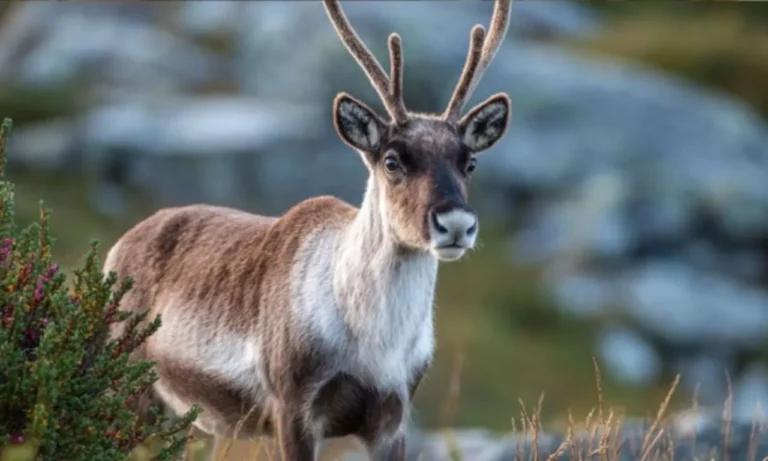
Understanding Viltnemnda: A Complete Guide
Viltnemnda may sound like a complex term, but it plays a simple and essential role in wildlife management, especially in Scandinavian regions like Norway. If you’ve ever wondered who is responsible for regulating hunting, managing wildlife conflicts, or ensuring the wellbeing of local ecosystems, that’s where Viltnemnda steps in. This guide breaks everything down in a friendly, easy-to-understand way.
What Does Viltnemnda Mean?
The word “Viltnemnda” translates to “Wildlife Committee” in English. It is a local authority group responsible for overseeing wildlife populations, hunting regulations, and human-wildlife interactions.
Imagine it as the bridge between nature and the people — making sure both sides remain in harmony.
Historical Background of Viltnemnda
Viltnemnda committees have been around for decades, originally formed to create more structured wildlife management. As hunting became more regulated and environmental concerns grew, local governments established these committees to ensure wildlife decisions were rooted in sustainability, not exploitation.
The Core Responsibilities of Viltnemnda
Wildlife Management
Viltnemnda oversees populations of animals like moose, deer, and other wild species. Their job is to make sure animal populations stay healthy and balanced.
Hunting Regulations
From controlling hunting seasons to issuing permits, Viltnemnda ensures hunting is done safely and sustainably. Without them, ecosystems could quickly fall out of balance.
Environmental Protection
Protecting forests, landscapes, rivers, and habitats is a huge part of their responsibility. They help ensure wildlife has safe habitats to survive and reproduce.
Why Viltnemnda Exists
Viltnemnda exists to:
-
Prevent animal overpopulation
-
Reduce accidents involving wildlife
-
Manage hunting laws
-
Protect ecosystems
-
Support safe coexistence between humans and nature
Simply put, they are guardians of the natural balance.
How Viltnemnda Operates
Local Government Structure
Viltnemnda is often a part of local municipal government. They coordinate with environmental organizations, police, hunters, and the public.
Committee Membership
Members are typically trained individuals with knowledge in biology, hunting, forestry, and environmental studies. Some are elected, while others are appointed experts.
Decision-Making Process
Every decision is based on research, wildlife population data, and environmental studies. Whether it’s approving hunting quotas or managing wild animal conflicts, they follow strict protocols.
Key Functions of Viltnemnda
Monitoring Wildlife
The committee regularly monitors animal populations, migration patterns, and habitat changes.
Managing Conflicts Between Humans and Wildlife
Whether it’s a moose wandering into highways or predators entering residential areas, Viltnemnda handles these issues safely and efficiently.
Issuing Hunting Permissions
Hunters rely on Viltnemnda for licenses, permits, and seasonal guidelines. They ensure ethical and legal hunting.
Ensuring Sustainable Practices
Sustainability is their core mission — ensuring wildlife remains healthy for future generations.
Viltnemnda and Public Safety
Handling Accident-Prone Areas
Traffic accidents involving wild animals are common in rural areas. Viltnemnda identifies and manages hotspots to reduce risks.
Managing Dangerous Wildlife Encounters
For dangerous or aggressive wildlife situations, Viltnemnda coordinates with authorities to protect the community.
Legal Authority and Regulations
National Wildlife Laws
Viltnemnda operates under national legislations governing wildlife protection and hunting.
Local Implementation Rules
Every municipality may have its own rules, but all must align with national laws.
The Role of Hunters in Viltnemnda Operations
Hunters often collaborate with the committee, providing field data, taking part in wildlife monitoring, and following ethical hunting practices set by Viltnemnda.
Viltnemnda vs Other Wildlife Organizations
Unlike national environmental agencies, Viltnemnda works at a local level, ensuring quick and direct decision-making. They understand local ecosystems better than broader organizations.
How Viltnemnda Helps the Environment
They preserve biodiversity, help prevent habitat loss, and reduce negative impacts of human expansion. Healthy wildlife means a healthier environment.
Challenges Faced by Viltnemnda
Some major challenges include:
-
Climate change
-
Urban expansion
-
Increasing human-wildlife conflicts
-
Limited resources
-
Illegal hunting
Despite these challenges, they continue working to protect nature effectively.
The Future of Viltnemnda
With technology like drones, smart tracking systems, and advanced environmental research, Viltnemnda is evolving faster than ever. The future looks promising for sustainable wildlife management.
Conclusion
Viltnemnda plays a critical role in balancing the needs of humans and wildlife. From supervising hunting to protecting natural habitats, their work ensures sustainable ecosystems for future generations. Understanding their significance helps us appreciate how thoughtfully wildlife is managed behind the scenes.









Post Comment