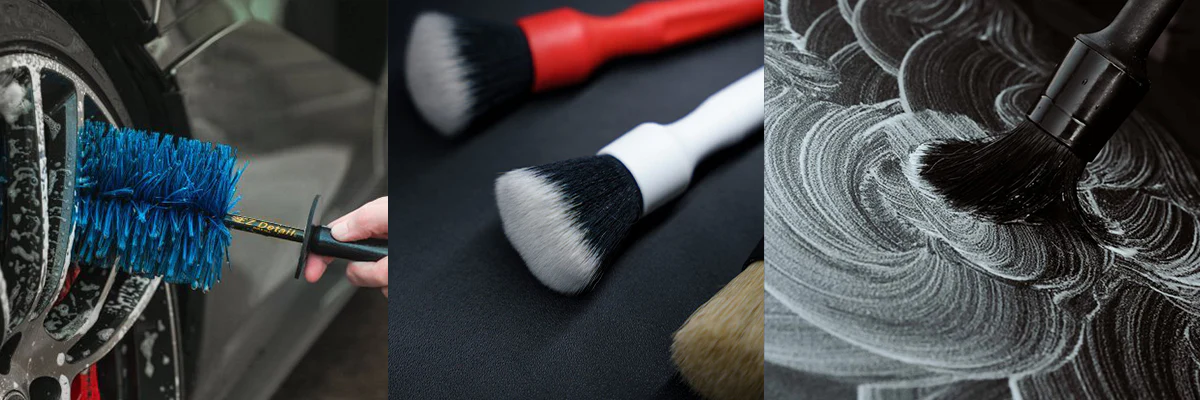
The Ultimate Guide to Detailing Brushes: What They Are, How They Work
Detailing brushes are some of the most important tools in the world of automotive cleaning—and yet they are often the most misunderstood. Whether you’re a professional detailer, a beginner learning the craft, or a car enthusiast wanting to improve your cleaning skills, the right detailing brush can transform an ordinary wash into a deep, precision-clean finish.
From dusting delicate infotainment screens to scrubbing brake dust out of lug nuts, detailing brushes allow you to access places other tools simply cannot reach. This combined guide takes the best insights from expert-level detailing knowledge, professional training advice, and product-based recommendations to help you understand everything about detailing brushes—how they work, how to choose them, and how to use them correctly.
What Exactly Is a Detailing Brush?
A detailing brush is a purpose-built cleaning tool designed to safely clean the small, delicate, or hard-to-reach areas of a vehicle. Unlike regular household brushes, detailing brushes are engineered with:
-
soft or ultra-soft bristles for safe cleaning
-
various sizes for precise access
-
chemical-resistant materials
-
ergonomic handles for control
-
designs that prevent scratching
These brushes are used for interiors, exteriors, wheels, engines, trims, vents, badges, grilles, switches, buttons, leather creases, and more.
They play a major role not just in cleaning, but also in agitating cleaners, applying dressings, and lifting dirt from textured surfaces without causing damage.
Why Detailing Brushes Matter in Professional Car Care
Detailing brushes provide benefits that other tools cannot offer:
-
Deep Cleaning Precision
They reach crevices, seams, textured materials, and tight spaces where towels, mitts, or sponges fail. -
Safe on Sensitive Surfaces
Quality brushes prevent scratching on paint, plastics, leather, chrome, and touchscreens. -
Versatility
One set can handle interior, exterior, wheels, and engine bay tasks. -
Professional-Grade Results
Brushes unlock that “detailed look”—clean vents, crisp badges, spotless wheels, and dust-free dashboards. -
Time Efficiency
Agitation with the right brush reduces overall cleaning time and improves chemical performance.
This is why every experienced detailer, instructor, and brand emphasizes the importance of having the right brush for the right job.
Interior Detailing Brushes: Cleaning Delicate Dashboards, Screens & Trim
Car interiors contain some of the most fragile surfaces—infotainment screens, piano black panels, vents, soft-touch dashboards, leather stitching, and electronic buttons.
For these areas, soft-bristle brushes are essential.
What to Look For
-
Ultra-soft bristles
-
No metal components
-
Lightweight design
-
Comfortable grip
-
Anti-scratch tips
Uses in the Interior
-
Dusting vents and air ducts
-
Cleaning dashboard textures
-
Agitating interior cleaner on trims
-
Reaching tight buttons and switches
-
Cleaning leather seams
Professional Insight:
Use a gentle interior cleaner and light circular motions. Never apply excessive pressure—let the bristles do the work.
Exterior Detailing Brushes: Perfect for Grilles, Badges & Crevices
Exterior surfaces trap dirt, mud, and road grime in places your wash mitt will never reach. That’s where exterior detailing brushes come in.
Best Features to Consider
-
Medium-soft synthetic bristles
-
Safe on paint and trims
-
Chemical-resistant materials
-
Longer bristles for deeper crevices
Where They Work Best
-
Car badges and lettering
-
Grille openings
-
Door handles
-
Fuel caps
-
Around emblems and trim pieces
How to Use
-
Rinse the surface
-
Apply snow foam or all-purpose cleaner
-
Agitate with your brush
-
Rinse and dry
This method removes hidden buildup without scratching your paint.
Wheel & Tire Brushes: Tackling Brake Dust, Barrels & Lug Nuts
Wheels accumulate the highest amount of dirt—brake dust, grease, tar, and road contaminants. Using general-purpose brushes here can ruin interior detailing tools.
What a Good Wheel Brush Should Offer
-
Stiff, chemical-resistant bristles
-
Long, flexible shafts
-
Rubberized handles
-
Scratch-free tips
Best Uses
-
Wheel barrels and spokes
-
Lug nut holes
-
Wheel faces
-
Tire treads and sidewalls
Important:
Always keep your wheel and tire brushes separate from your interior brushes to avoid contamination.
Engine Bay Brushes: Cleaning Covers, Hoses & Mechanical Parts
Engine bay detailing requires brushes that can handle heavy contaminants and strong degreasers.
Ideal Brush Qualities
-
Stiffer bristles for grease
-
Chemical-resistant fibers
-
Durable handles
-
Heat-resistant materials
Best Use Areas
-
Plastic engine covers
-
Metal brackets
-
Tight mechanical spaces
-
Rubber hoses
Safety Tip:
Cover sensitive electronics before cleaning your engine bay.
How to Choose the Right Detailing Brush: What Really Matters
Beginners often underestimate the importance of choosing the right detailing brush. But professionals know that brush selection affects cleaning results and surface safety.
Look for These Key Qualities:
Scratch-Free Build
No metal parts, sharp edges, or rough bristles.
Chemical Resistance
Prevents bristle breakdown when used with degreasers, APC, or strong cleaners.
Right Size & Diameter
Small for vents and badges, medium for interiors, large for wheels/exteriors.
Comfortable Grip
Prevents hand fatigue, especially during long detailing sessions.
Purpose-Built for Automotive Use
Never use household or makeup brushes—they can scratch and shed fibers.
Professional Techniques for Using Detailing Brushes
To get the most out of your detailing brush, apply these industry-approved methods:
Circular Motions
Ideal for vents, textured dashboards, leather creases, badges.
Back-and-Forth Strokes
Perfect for large panels and interior trims.
Minimal Pressure
Let the bristles and cleaning chemicals do the work.
Controlled Liquid Use
Avoid drenching interiors—moisture can seep into electronics.
Rinse After Every Section
Prevents dirt from scratching surfaces.
How to Maintain Your Detailing Brushes for Long Life
Proper maintenance ensures your brushes stay safe, clean, and effective.
After Each Use
-
Rinse thoroughly
-
Massage bristles to remove product buildup
-
Shake out excess water
Cleaning
Use mild soap only—harsh chemicals weaken bristles.
Drying
Air-dry upright in a clean, ventilated area.
Storage
-
Keep wheel brushes separate from interior brushes
-
Store in a cool, dry space
-
Avoid closed containers that trap moisture
A well-maintained brush set can last years.
How to Know When It’s Time to Replace Your Detailing Brush
Replace your brush if you notice:
-
bent or frayed bristles
-
shedding fibers
-
rough or hardened tips
-
chemical damage
-
cracked handles
Using an old, damaged brush risks scratching surfaces—never compromise on tool quality.
Why Every Professional Detailer Relies on a High-Quality Brush Set
Detailing brushes are essential because they:
-
elevate the final finish
-
increase cleaning precision
-
improve chemical effectiveness
-
reduce detailing time
-
ensure safety on sensitive materials
-
allow access to hidden dirt
-
deliver professional-grade results
Whether you’re cleaning interiors, wheels, engines, or exterior trims, the right brush makes all the difference in the final outcome.
Final Thoughts: The Right Detailing Brush Is the Secret to True Professional Car Care
A detailing brush may seem like a small tool, but it is one of the most powerful weapons in a detailer’s toolkit. From the tightest interior gaps to the dirtiest wheels and the most delicate surfaces, each brush plays a specific and essential role.
If you want to achieve deep-clean, showroom-level detailing results, investing in a high-quality set of detailing brushes—and learning how to use them properly—is the smartest step you can take.














Post Comment