Best Automotive Paint Sealers of 2025 – Expert Picks
Keeping your car’s paint looking fresh, glossy, and protected can feel like a full-time job. Between sun exposure, dirt, rain, and road grime, your vehicle battles the elements every day. That’s where automotive paint sealers come in—they act like armor for your car’s paint.
What Is an Automotive Paint Sealer?
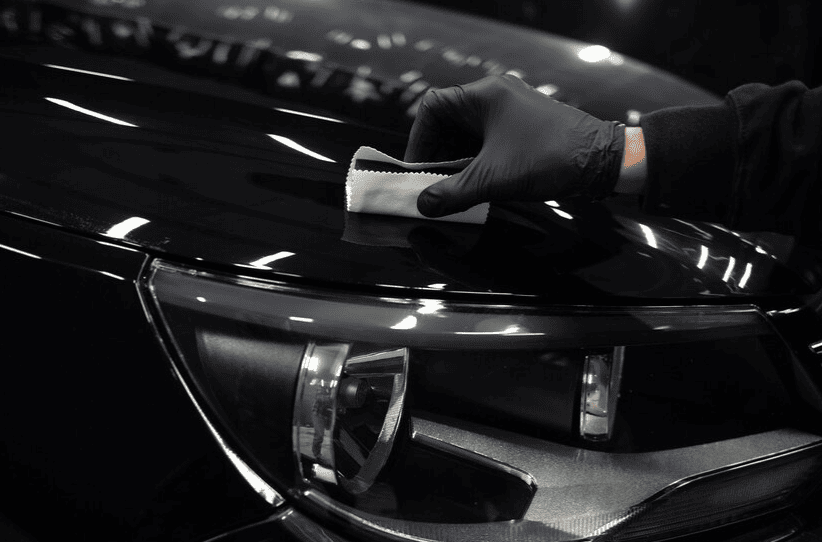
An automotive paint sealer is a synthetic protective layer applied to your vehicle’s exterior. Unlike wax, which sits on the surface, sealers bond chemically with the paint to form a long-lasting shield.
Why Your Car Needs a Paint Sealer
Ever wished your car stayed shiny longer or didn’t lose its gloss after a few rainy days? Paint sealers make that happen. They block harmful UV rays, resist contamination, and maintain that “just waxed” look for months.
What is the Way of Working an Aotumotive Paint Sealer
Paint sealers are built on chemistry—and they know how to perform.
The Science Behind Paint Sealers
Most sealers use polymers that form a tight, cross-linked network once applied. Think of it as a clear protective net covering your paint, preventing damage and oxidation.
Sealers vs. Wax vs. Ceramic Coatings
-
Wax: Natural, warm shine, but short-lived.
-
Sealer: Synthetic, longer-lasting, more durable.
-
Ceramic Coating: Premium, thick layer, extremely durable but expensive.
Sealers sit right in the sweet spot—affordable and long-lasting.
Types of Automotive Paint Sealers
Polymer Paint Sealers
The most popular type. They create a slick, durable finish that lasts 4–6 months.
Acrylic Paint Sealers
Acrylic sealers bond deeply into the paint and offer high clarity and gloss.
Synthetic Paint Sealers
Designed for performance, synthetic sealers often include UV inhibitors and hydrophobic properties.
Hybrid Sealers
These blend synthetic polymers with carnauba wax for the best of both worlds—longevity + deep glow.
Advantages of Using Automotive Paint Sealers
UV Protection
Sunlight isn’t friendly to your paint. Sealers prevent fading, oxidation, and dullness.
Water Beading & Hydrophobic Effects
Water rolls right off, making washing easier and preventing water spots.
Enhanced Gloss and Shine
Your car looks like it was just detailed—every day.
Long-Lasting Protection
Unlike wax, which wears off quickly, sealers stay strong for months.
How to Apply Automotive Paint Sealer
Preparing Your Vehicle Surface
Before sealing, wash and dry your vehicle thoroughly. Clay bar treatment is a bonus.
Step-by-Step Application
-
Apply a small amount of sealer to an applicator pad.
-
Use circular or crosshatch motions.
-
Let it haze.
-
Buff with a clean microfiber towel.
Common Mistakes to Avoid
-
Applying too much product
-
Not prepping the paint
-
Using cheap towels that cause scratches
How Long Does Automotive Paint Sealer Work?
Factors That Affect Longevity
-
Climate
-
Parking conditions
-
Washing frequency
-
Product quality
On average, sealers last 4–12 months.
Signs Your Sealer Needs Reapplication
-
Water no longer beads
-
Paint looks less glossy
-
Surface feels rough
Top Quality Automotive Paint Sealers in 2025
Top-Rated Products
-
Meguiar’s Synthetic Sealant
-
Chemical Guys JetSeal
-
Turtle Wax Hybrid Solutions Sealant
Budget-Friendly Options
-
Mothers California Gold
-
Armor All Sealant Spray
Professional-Grade Sealers
-
Gyeon Q² Cure
-
Adam’s Advanced Sealant
Maintenance Tips After Applying Paint Sealer
Washing Techniques
Use pH-neutral shampoos and soft microfiber mitts.
What Not to Use on Sealed Paint
-
Dish soaps
-
Abrasive cleaners
-
Harsh chemicals
Boosting Sealer Performance
Apply spray sealants every few washes for a quick refresh.
Famous Myths About Automotive Paint Sealers
“Sealants Replace Wax”
Sealants last longer—but wax still offers a unique warm shine.
“All Sealers Last for Years”
Only premium coatings come close to multi-year protection.
“They Work the Same on All Paint Types”
Different paint finishes respond differently—always test first.
Professional vs. DIY Paint Sealer Application
Pros and Cons
DIY: Cheaper, satisfying, and easy.
Professional: More durable results but more expensive.
When to Choose Professional Application
If your paint is heavily oxidized or needs correction, let pros handle it.
Final Thoughts
An automotive paint sealer is one of the best investments for maintaining your vehicle’s shine and protecting its paint from the elements. Whether you choose a polymer or hybrid option, applying a sealer keeps your car looking newer for longer—and saves you from costly paint restoration in the future.












Post Comment