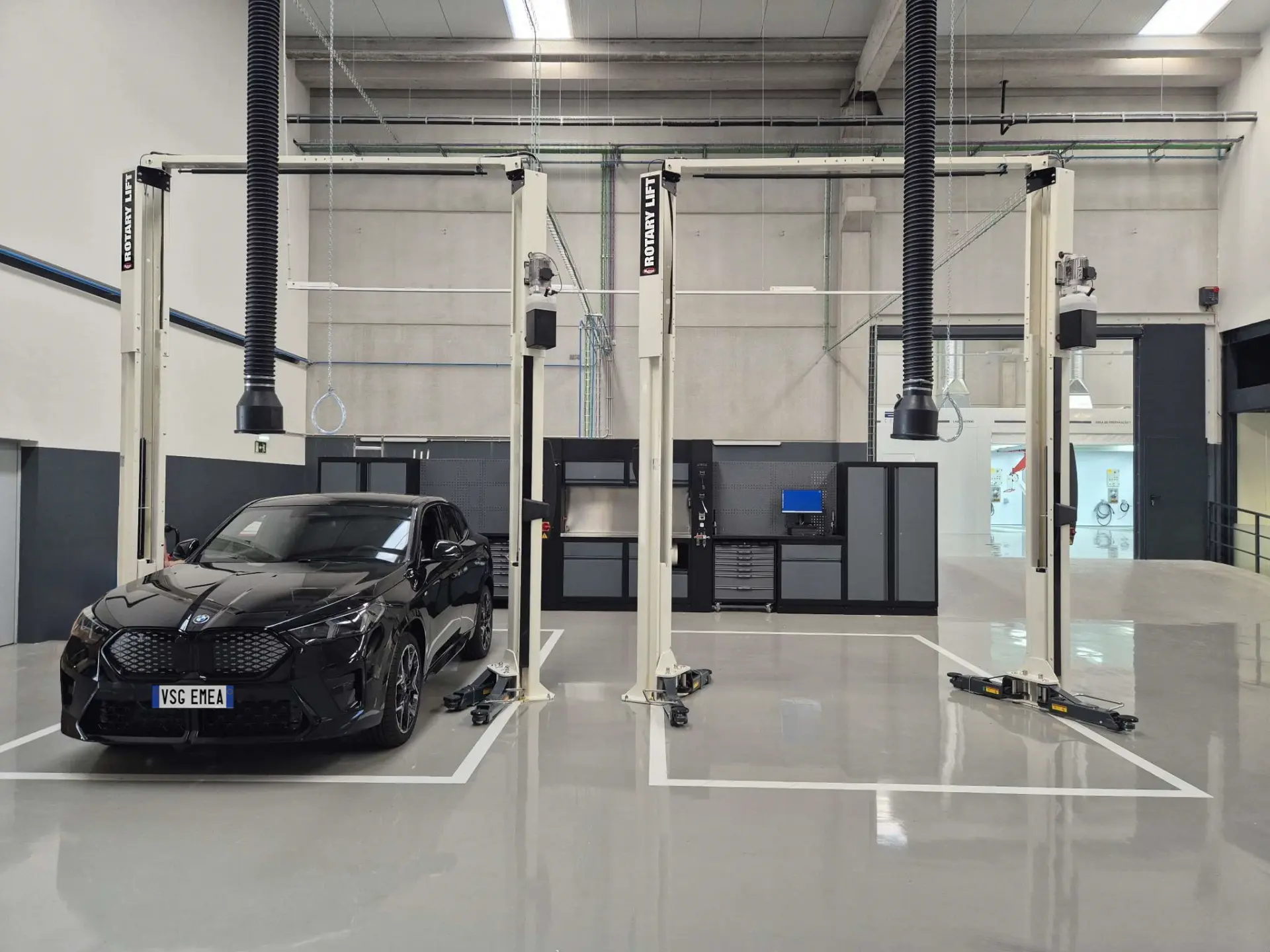
Best Automotive Lifts for Home Garage & Professional Shops (Full 2025 Guide)
Introduction
Automotive lifts have become essential equipment for vehicle maintenance, repairs, and storage. Whether you are a professional mechanic, a DIY car enthusiast, or running a home garage, an automotive lift dramatically improves safety, efficiency, and workflow. Installing a lift turns complicated repairs into fast, straightforward tasks by providing full access to the underbody, wheels, suspension, drivetrain, or exhaust system.
Unlike traditional floor jacks or portable stands, automotive lifts handle heavy loads, keep vehicles stable, and reduce the risk of injuries. Today’s lifts are more affordable, safer, and available in different configurations. But choosing the right lift is not easy. The wrong decision can lead to wasted space, mechanical failure, and high repair costs.
This guide explains every important factor, including types of lifts, pricing, installation, safety features, top brands, and expert recommendations. By the end, you will know exactly which lift fits your needs.
What Is an Automotive Lift and Why Do You Need One?
An automotive lift is a mechanical system used to raise a vehicle off the ground for easier repair, maintenance, storage, or inspection. These lifts use hydraulic, mechanical, or electrical power systems to lift cars safely and smoothly.
Benefits of using a lift:
-
Eliminates the need for floor jacks and stands
-
Safe for heavy lifting
-
Saves space in a shop or home garage
-
Increases efficiency in repair work
-
Allows better access to wheels and underside
-
Ideal for professional and DIY auto work
With a lift, you can comfortably perform tasks such as:
-
Oil changes
-
Tire servicing
-
Brake repairs
-
Suspension upgrades
-
Engine and drivetrain repairs
Simply put, using an automotive lift improves productivity and provides a level of safety no manual tool can match.
Types of Automotive Lifts: Complete Breakdown
Choosing the right lift depends on your budget, garage space, and repair needs. Below are the most common types.
1. Two-Post Automotive Lift
The most popular lift among mechanics and car enthusiasts. It uses two arms to lift the vehicle from its frame.
Advantages
-
Affordable for most home garages
-
Smaller footprint than other lift types
-
Excellent access to suspension and wheels
-
Ideal for professional auto repair shops
Disadvantages
-
Requires proper anchoring in concrete
-
Not recommended for low ceiling garages
Who should buy it?
This is perfect if you perform:
-
Transmission work
-
Brake servicing
-
Engine upgrades
-
Suspension replacement
2. Four-Post Automotive Lift
This is a heavy-duty lift designed for bigger vehicles and long-term use.
Advantages
-
Superior stability and balance
-
No need to anchor in many installations
-
Best for storage and parking
-
Can support heaviest vehicles
Disadvantages
-
Larger space requirement
-
Higher cost compared to two-post lifts
Best for:
-
Long-term parking
-
Trucks and commercial vehicles
-
Professional repair shops
3. Scissor Automotive Lift
Operates in a vertical scissoring motion and is ideal for small garages and mobile repair services.
Pros:
-
Portable and compact
-
Great for home garages
-
Affordable pricing
Cons:
-
Limited lifting height
-
Not ideal for engine or transmission removal
4. Portable Automotive Lift
These are smaller hydraulic lifts that you can move around easily.
Pros:
-
Best for DIY users
-
Easy to operate
-
Budget friendly
Cons:
-
Lower lifting power
-
Not suitable for heavy-duty repairs
Automotive Lift Comparison Table
| Lift Type | Best Use | Cost | Space Needed | Load Capacity |
|---|---|---|---|---|
| Two-post | Repairs & mechanics | Low-medium | Medium | High |
| Four-post | Storage & heavy loads | High | Large | Very high |
| Scissor | Small garages | Low | Low | Medium |
| Portable | DIY maintenance | Low | Very small | Low |
Top Automotive Lift Brands in 2025
Choosing the right brand matters because lift failure can result in injuries and serious damage. Some of the most reputable lift manufacturers include:
-
BendPak
-
Rotary Lift
-
Atlas Automotive
-
QuickJack
-
Mohawk Lifts
-
Tuxedo
These companies are known for:
-
Safety certification
-
Workmanship quality
-
Available replacement parts
-
Warranty service
Avoid cheap unbranded lifts that are not certified.
How Much Do Automotive Lifts Cost?
Price varies depending on size, configuration, type, and capacity. Typical investment:
Average Price Range
-
Two-post lift: $1,500 to $4,000
-
Four-post lift: $2,000 to $8,000
-
Scissor lift: $500 to $2,000
-
Portable lift: $900 to $1,500
Remember, price is not everything. Consider long-term durability, safety, and service availability.
How to Choose the Right Automotive Lift
Before buying, consider these important factors:
1. Vehicle weight
Every lift has a rated capacity. Always choose a lift that exceeds your vehicle’s weight.
2. Ceiling height
This is often the biggest mistake buyers make. A typical lift needs:
-
10–12 feet ceiling height for full clearance.
3. Garage space
Measure space before installation:
-
Width
-
Length
-
Floor thickness
4. Power supply
Some lifts require:
-
110V single phase
-
220V single phase
-
3 phase commercial power
5. Anchoring and installation requirements
Two-post lifts require strong foundations. Four-post lifts do not always need anchoring.
Important Safety Features
Safety should be your first priority. Look for:
-
Mechanical locking systems
-
Automatic safety locks
-
Hydraulic overload protection
-
ANSI / ALI certification
-
Steel frame construction
Never compromise on safety.
Installation Tips and Requirements
Before installation:
-
Check concrete thickness
-
Test electric power
-
Confirm lift capacity
-
Leave space around the lift
If professional installation is required, hire a certified installer. Mistakes in setting up the lift can be dangerous.
Maintenance Tips
Automotive lifts need periodic care:
-
Inspect hydraulic lines weekly
-
Lubricate moving parts monthly
-
Check bolts and anchors regularly
-
Replace oil and fluid as needed
-
Test safety locks
Routine maintenance extends lifespan and improves safety.
Best Automotive Lift for Home Garage
The best lift for home garage users is usually:
-
Two-post or portable lift for repairs
-
Four-post if you also want storage capacity
If space is limited, choose a scissor or portable lift.
Best Lift for Professional Shops
For commercial garages:
-
Two-post lift for fast repairs
-
Four-post lift for alignment and storage
-
Heavy-duty models for trucks and vans
Most shops install multiple lift types depending on their workflow.
Where to Use Automotive Lifts
Automotive lifts are used in:
-
Auto workshops
-
Dealerships
-
Tire repair shops
-
Body and paint shops
-
Home garages
-
Racing and detailing shops
Mistakes to Avoid When Buying a Lift
Many beginners make bad decisions. Do not:
-
Buy based only on price
-
Ignore garage dimensions
-
Use without checking safety features
-
Skip professional installation
Are Automotive Lifts Worth It?
Yes. They are a long-term investment. A single lift can:
-
Save thousands in repair costs
-
Improve comfort and safety
-
Increase productivity
Anyone who regularly works on vehicles will benefit from owning one.
Conclusion
Choosing the best automotive lift depends on your needs, space, and budget. A two-post lift is great for mechanics and home repairs. A four-post lift is perfect for storage and heavy-duty vehicles. Scissor and portable lifts are excellent for DIY users and smaller spaces.
When buying, always check:
-
Certification
-
Load rating
-
Warranty
-
Safety features
The right lift increases productivity, prevents injury, and transforms your garage into a professional workspace.
Frequently Asked Questions (FAQ)
1. What is the best automotive lift for a home garage?
A two-post lift is the most popular because it is affordable, space-saving, and ideal for vehicle repairs.
2. Are four-post lifts safer than two-post lifts?
Both are safe when installed correctly. Four-post lifts provide better stability, while two-post lifts offer more access.
3. Can I install an automotive lift myself?
Yes, but it is recommended to hire a professional installer if you are unsure about anchoring, electricity, or stability.
4. How long do automotive lifts last?
With regular maintenance, most lifts last 15–25 years or longer.
5. What is the cheapest automotive lift option?
Portable and scissor lifts are the most affordable choices.














Post Comment