Automotive Scissor Lift: A Complete Guide to Operation
The modern automotive world depends heavily on efficiency, safety, and precision. Whether in a small neighborhood garage, a professional automotive workshop, or an industrial service center, equipment plays a vital role in streamlining repair and maintenance operations. Among these essential tools, the automotive scissor lift stands out as one of the most versatile and space-saving lifting solutions available today. Known for its reliability and compact design, the scissor lift has become a cornerstone of automotive servicing.
This article provides a comprehensive, human-written exploration of the automotive scissor lift—its uses, features, benefits, types, working mechanism, maintenance, and how to choose the right model for your garage.
What Is an Automotive Scissor Lift?
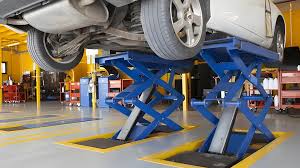
An automotive scissor lift is a lifting device designed to elevate vehicles for inspection, repair, and maintenance. It uses a series of crossed metal supports that expand and contract in a scissor-like motion, raising the platform upward when hydraulic pressure is applied. Unlike other automotive lifts, the scissor lift is known for its compactness, portability, and ability to fit into confined spaces.
These lifts are widely used for tire services, oil changes, brake repairs, under-car inspections, and general mechanical or electrical work. Because of their vertical lifting motion and stable base, scissor lifts provide impressive lifting capacity while occupying minimal floor space.
How Does a Scissor Lift Work?
The working mechanism of a scissor lift is based on a simple yet highly effective design:
1. Hydraulic System
Most automotive scissor lifts operate with a powerful hydraulic system. Hydraulic cylinders push the scissor arms apart, which raises the platform. When the hydraulic pressure is released, the lift slowly descends.
2. Scissor Structure
The scissor arms consist of interconnected steel bars arranged in an “X” pattern. As force is applied, the arms extend upward, lifting the vehicle evenly.
3. Mechanical Locking System
To ensure safety, scissor lifts come with automatic mechanical locks that engage at different heights. These locks guarantee that even if hydraulic pressure fails, the platform stays securely in position.
4. Control Unit
Operators manage the lift through a control box or handheld remote unit, allowing them to raise, hold, or lower the platform with ease.
This simple but robust mechanism makes scissor lifts extremely reliable for long-term automotive use.
Types of Automotive Scissor Lifts
Automotive scissor lifts come in various forms, each designed for specific job requirements and working environments. Here are the most common types:
**1. Portable Scissor Lift
Portable scissor lifts are lightweight, compact, and ideal for small workshops or home garages. They can be moved easily and stored away when not in use. These lifts are perfect for light mechanical tasks such as tire rotations, brake servicing, and oil changes.
**2. Mid-Rise Scissor Lift
Mid-rise lifts offer greater elevation compared to portable models. They are commonly used in body shops, detailing centers, and general automotive workshops. These lifts provide enough height for mechanics to comfortably work on the lower half of the vehicle.
**3. Full-Rise Scissor Lift
Full-rise scissor lifts elevate vehicles to the same height as two-post or four-post lifts. They are best suited for professional workshop environments. With excellent lifting capacity, they allow complete access to a vehicle’s underbody.
**4. Drive-On Scissor Lift
Also known as alignment scissor lifts, these lifts come with wide platforms that vehicles can drive onto. They are ideal for wheel alignment tasks, suspension repairs, and advanced diagnostic work.
**5. Flush-Mount Scissor Lift
Installed level with the floor, flush-mount lifts are perfect for workshops that want a clean, obstruction-free space. When not in use, the lift platform stays hidden, allowing mechanics to walk or drive over it.
**6. Electric Scissor Lift
Electric scissor lifts operate using electric motors instead of hydraulic pressure. They are eco-friendly, quiet, and require less maintenance, making them suitable for indoor workshops with minimal noise tolerance.
Key Features of Automotive Scissor Lifts
1. Space Efficiency
Scissor lifts occupy far less space than other types of automotive lifts. Their collapsible design makes them ideal for compact workshops or mobile automotive services.
2. High Lifting Capacity
Despite their small footprint, scissor lifts can handle significant weight. Many models support 6,000 to 12,000 pounds, allowing them to lift sedans, SUVs, light trucks, and crossovers.
3. Enhanced Safety Mechanisms
Modern scissor lifts include the following safety features:
-
Mechanical locking positions
-
Overload protection valves
-
Anti-skid platforms
-
Emergency lowering systems
These safety enhancements make scissor lifts extremely reliable for daily garage operations.
4. Versatility
Different vehicle types and repair tasks benefit from the height adjustability and stable lifting platform. Whether you’re replacing tires or inspecting exhaust systems, scissor lifts make work easier.
5. Durability and Stability
Built from heavy-duty steel, scissor lifts are engineered for longevity. Their base provides excellent stability, minimizing movement while lifting.
Advantages of Using an Automotive Scissor Lift
1. Saves Space in the Workshop
Scissor lifts are ideal for garages with limited space. Their compact footprint and ability to retract flat to the ground make them a top choice for urban workshops, detailing centers, and mobile mechanics.
2. Boosts Efficiency
By lifting the vehicle to a comfortable working height, mechanics can perform repairs and inspections more quickly. This efficiency translates to better productivity and increased customer satisfaction.
3. Improves Safety for Technicians
Scissor lifts are designed with multiple safety features to prevent accidents. Because the vehicle sits on a stable platform, the risk of tipping or sliding is significantly reduced.
4. Suitable for a Wide Range of Vehicles
Modern scissor lifts accommodate:
-
Small cars
-
Luxury sedans
-
SUVs
-
Light pickup trucks
This flexibility makes them useful for diverse workshop environments.
5. Easy Installation and Maintenance
Most scissor lifts require minimal installation compared to two-post or four-post lifts. They also involve less maintenance because their design has fewer moving parts.
Disadvantages of Automotive Scissor Lifts
While scissor lifts offer many benefits, they also have limitations:
1. Restricted Under-Car Access
The scissor mechanism may obstruct certain areas beneath a vehicle, making some repairs difficult.
2. Lower Lifting Height in Some Models
Portable and mid-rise scissor lifts may not raise the vehicle high enough for some major repair jobs.
3. High Initial Cost for Full-Rise Models
Professional full-rise scissor lifts can be expensive, though their durability and performance often justify the investment.
Common Uses of Automotive Scissor Lifts
Scissor lifts are ideal for a variety of automotive tasks:
1. Tire Replacement and Rotation
Their height and stability make wheel service easier and faster.
2. Brake System Repairs
Technicians can access brake pads, rotors, and calipers without removing the vehicle from the lift.
3. Oil Changes and Fluid Checks
The lift height allows easy access to the engine underside.
4. Suspension Work
Proper elevation enables comfortable suspension inspection and repair.
5. Exhaust System Servicing
Mechanics can reach exhaust pipes, catalytic converters, and mufflers with ease.
6. Wheel Alignment (with Alignment-Style Scissor Lifts)
Alignment lifts offer the precision and positioning required for accurate wheel alignment.
Maintenance Tips for Automotive Scissor Lifts
Maintaining a scissor lift ensures long-lasting performance and safety. Here are key maintenance practices:
1. Regular Lubrication
Lubricate scissor arms, pivot points, and hydraulic components to prevent friction and wear.
2. Inspect Hydraulic Fluid
Check fluid levels routinely and look for leaks around hoses and cylinders.
3. Check Safety Locks
Ensure that all mechanical locks engage properly during operation.
4. Clean Platforms and Ramps
Dirt, oil, and debris can reduce traction and safety.
5. Tighten Bolts and Fasteners
Loose components can compromise stability and performance.
6. Annual Professional Inspection
A certified technician should inspect the lift for structural integrity and hydraulic performance at least once a year.
How to Choose the Right Automotive Scissor Lift
Selecting the right scissor lift depends on your garage size, budget, and type of work. Here are key considerations:
1. Lifting Capacity
Choose a lift with sufficient capacity for the heaviest vehicle you expect to handle.
2. Lifting Height
Full-rise lifts are ideal for professional garages, while mid-rise models suit small workshops.
3. Type of Work
-
Tire shops may prefer mid-rise lifts
-
Alignment centers need drive-on alignment lifts
-
Mobile mechanics benefit from portable scissor lifts
4. Power Source
Hydraulic models are powerful and durable, while electric models are cleaner and quieter.
5. Installation Space
Measure your workshop area and ensure the lift fits comfortably without obstructing movement.
6. Safety Features
Look for overload protection, emergency stop functions, and secure locking mechanisms.
7. Budget
Scissor lifts range from affordable portable models to premium heavy-duty versions. Choose one that offers the best value for your needs.
Conclusion
An automotive scissor lift is an essential tool for both professional mechanics and home garage owners. Its compact design, strong lifting power, and dependable safety features make it ideal for a wide range of automotive repair and maintenance tasks. Whether you’re running a high-volume workshop or simply need a reliable lifting solution for personal use, a scissor lift can significantly improve efficiency, safety, and workflow organization.
By understanding the types, features, and operational guidelines discussed in this article, you can confidently select the right scissor lift for your needs and maintain it for many years of reliable service.














Post Comment