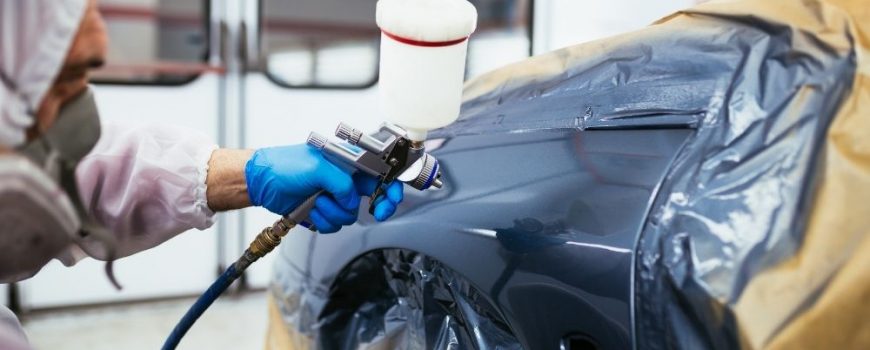
Automotive Primer: A Complete Guide to Types, Uses, and Application Techniques
Automotive primer is one of the most essential materials in the vehicle painting and refinishing process. Whether you are restoring an old car, repainting a damaged panel, or preparing a brand-new surface for color coating, primer plays a critical role in ensuring durability, adhesion, and long-lasting aesthetic appeal. While many vehicle owners only focus on the topcoat paint and clear coat, professionals know that the true foundation of a high-quality finish lies in the primer layer.
This comprehensive article explores what automotive primer is, why it matters, its major types, how to apply it correctly, and best practices to ensure a flawless finish. By the end, you will have a complete understanding of automotive primer and how it impacts the final outcome of any paint job.
What Is Automotive Primer?
Automotive primer is a preparatory coating applied to a vehicle’s surface before the final paint layers. It acts as a bonding agent between the bare substrate—such as metal, plastic, or fiberglass—and the topcoat paint. Without primer, paint struggles to adhere properly, becomes more vulnerable to scratches, chips, and corrosion, and may show imperfections.
Primers are specially formulated chemicals designed to:
-
Create a smooth and uniform surface
-
Seal the substrate
-
Improve adhesion of paint
-
Prevent rust and corrosion
-
Fill minor imperfections or scratches
Automotive primer is essentially the foundation of any paint system, influencing how the paint behaves, how it looks, and how long it lasts.
Why Is Automotive Primer Important?
The purpose of primer goes far beyond acting as a base layer. It significantly enhances the quality and lifespan of vehicle paint jobs.
1. Enhances Paint Adhesion
Primer creates a surface to which the paint can easily stick. Bare metal, in particular, is too smooth and reactive to hold paint without a bonding layer. Without primer, the paint may peel, bubble, or fail prematurely.
2. Prevents Rust and Corrosion
Metal surfaces exposed to moisture and oxygen quickly corrode. Most primers contain anti-corrosion additives that seal the surface and stop oxidation before it starts. This is especially important in humid or wet climates.
3. Hides Surface Imperfections
Certain primers, such as high-build primers, fill scratches, sanding marks, and uneven textures. This ensures the paint lays smoothly and looks professionally finished.
4. Improves Paint Durability
Primer strengthens the paint system, helping the topcoat resist chipping, fading, and weather damage. With a proper primer layer, automotive paint can last years longer.
5. Provides Better Color Coverage
Primer creates a neutral surface that improves color uniformity. Light colors, in particular, require even priming to prevent underlying shades from showing through.
Types of Automotive Primers
There is no single universal primer for all situations. Different surfaces and paint systems require specific primer types. Here are the main automotive primers used by professionals:
1. Etching Primer
Best for: Bare metal surfaces
Features: Contains acids that chemically bond to metal
Etching primer (often an acid-etch primer) is ideal for metal surfaces because it creates a strong mechanical and chemical bond. The acid content microscopically etches the metal, allowing for superior adhesion. It also provides corrosion resistance, making it a top choice for body panels, frames, and undercarriage parts.
Pros:
-
Excellent adhesion on metal
-
Prevents rust
-
Ideal for aluminum and steel
Cons:
-
Not suitable for plastic or fiberglass
-
Not recommended under filler
2. Epoxy Primer
Best for: Versatile use on metal, plastic, fiberglass
Features: Strong corrosion resistance and sealing ability
Epoxy primer is one of the most durable and versatile options. It bonds well to almost any automotive surface and creates a strong, waterproof seal. Many professionals use epoxy primer as the first layer in full restorations due to its protective properties.
Pros:
-
Superior corrosion resistance
-
Great adhesion
-
Moisture-resistant
Cons:
-
Long curing time
-
Often needs a top layer of primer before paint
3. Urethane Primer
Best for: Final primer before paint
Features: Sands smoothly and offers excellent leveling
Urethane primer is commonly used as a final primer coat before the basecoat. It sands easily, dries quickly, and provides a smooth finish. It’s ideal for filling minor imperfections and preparing the surface for painting.
Pros:
-
Easy to sand
-
Great finish quality
-
Fast drying
Cons:
-
Less corrosion protection than epoxy
-
Requires compatible paint system
4. High-Build Primer
Best for: Filling scratches and imperfections
Features: Thick formula for surface leveling
High-build primer is designed to fill uneven areas, sanding marks, and minor dents. It is thicker than other primers and can be sanded down to create a perfectly smooth surface.
Pros:
-
Excellent surface leveling
-
Ideal for restoration work
-
Great for repairing scratched or sanded areas
Cons:
-
Requires sanding
-
Takes longer to dry due to thickness
5. Plastic Primer / Adhesion Promoter
Best for: Bumpers, dashboards, interior trims
Features: Specially designed for flexible plastic parts
Plastic surfaces require a special primer because they are non-porous and flexible. Plastic primer or adhesion promoter allows paint to adhere securely to surfaces like polyurethane bumpers and ABS plastic parts.
Pros:
-
Designed for flexible materials
-
Prevents peeling and cracking
Cons:
-
Not compatible with some metals
How to Apply Automotive Primer: Step-by-Step Guide
Applying primer correctly is essential for a durable, professional finish. Below is a simplified guide for DIY users and professionals alike.
Step 1: Prepare the Surface
Preparation is the most important part of any paint job.
-
Wash the area thoroughly to remove dirt, grease, and contaminants
-
Sand the surface using appropriate grit sandpaper
-
Repair dents or imperfections using body filler
-
Remove dust using a tack cloth
-
Mask surrounding areas to avoid overspray
A clean and smooth surface ensures proper primer adhesion.
Step 2: Choose the Right Primer
Select a primer based on your surface and paint system:
-
Metal: Etching or epoxy primer
-
Plastic: Plastic adhesion promoter
-
Fiberglass: Epoxy primer
-
Surface imperfections: High-build primer
Choosing the wrong primer type can lead to peeling or defects later.
Step 3: Mix and Prepare Primer
Many automotive primers come in two-part systems requiring mixing. Follow the manufacturer’s instructions carefully.
-
Mix primer and activator in the recommended ratio
-
Allow induction time if required
-
Strain the mixture to remove impurities
Step 4: Apply the Primer Coat
Use a spray gun or aerosol, depending on your tools.
General application guidelines:
-
Keep the spray gun 6–8 inches from the surface
-
Apply 2–3 even coats with consistent passes
-
Allow flash time between coats (usually 5–10 minutes)
-
Avoid heavy application to prevent runs
Primer should look smooth, uniform, and matte once dry.
Step 5: Let the Primer Cure
Curing time depends on the primer type:
-
Epoxy primers may require several hours or overnight
-
Urethane and high-build primers dry faster
Avoid sanding too early, as this can damage the surface.
Step 6: Sand the Primed Surface
Once cured, the primer must be sanded to create a smooth base.
-
Use wet sanding techniques for best results
-
Start with 400–600 grit sandpaper
-
Finish with 800–1000 grit for smoothness
Sanding removes imperfections and ensures the paint adheres properly.
Step 7: Apply the Topcoat Paint
With the primer perfected, the surface is ready for:
-
Basecoat (color paint)
-
Clear coat for protection
A well-applied primer layer ensures the topcoat looks stunning and stays durable.
Common Mistakes to Avoid When Using Automotive Primer
Avoid these frequent errors to ensure a flawless finish:
1. Skipping Surface Preparation
Even the best primer cannot bond to a dirty or uneven surface.
2. Using the Wrong Primer Type
For example, using urethane primer directly on bare metal can cause adhesion failure.
3. Applying Too Much Primer
Thick, uneven coats can cause runs and longer curing times.
4. Not Allowing Enough Drying Time
Painting over wet primer leads to defects and reduces durability.
5. Inadequate Sanding
Sanding creates the smoothness necessary for a professional look.
Benefits of Using High-Quality Automotive Primer
A premium automotive primer offers:
-
Long-lasting corrosion protection
-
Improved paint durability
-
Enhanced resistance to weather and chemicals
-
Superior surface leveling
-
Professional, glossy final appearance
Ultimately, using good primer saves money and effort by preventing premature paint failure.
Conclusion
Automotive primer is a cornerstone of high-quality vehicle painting. It provides essential adhesion, protection, and surface preparation that ensures the topcoat looks stunning and lasts for years. Whether you are a professional painter or a DIY enthusiast, understanding the different types of primers—such as epoxy, urethane, etching, high-build, and plastic primers—helps you get the best results for any project.
By selecting the right primer, preparing the surface correctly, applying even coats, and allowing proper curing and sanding, you can achieve a flawless automotive finish that stands the test of time. Automotive primer may seem like a simple step, but it is the foundation of every beautiful, durable paint job.











Post Comment