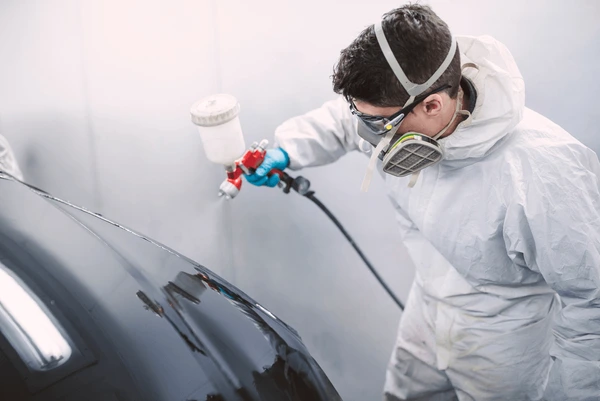
Automotive Paint Spray Gun: The Ultimate Guide for 2025
If you’ve ever wanted your car to look flawless, you know that hand painting can be tedious and often uneven. That’s where an automotive paint spray gun comes in handy. This tool revolutionizes the way cars are painted, providing smooth, professional-quality finishes. Whether you’re a DIY enthusiast or a professional auto body painter, understanding the nuances of spray guns can make a huge difference in your results.
What Are Spray Guns?
An automotive paint spray gun is a device that atomizes paint into a fine mist and sprays it evenly across a surface. Unlike brushes or rollers, spray guns allow for a uniform coating, reducing streaks and brush marks. They are designed to handle automotive paints, primers, and clear coats efficiently.
History and Evolution
Spray guns have come a long way since their inception in the early 20th century. The first models were rudimentary airbrushes, but technological advancements led to HVLP, LVLP, and airless systems, offering precision and reduced overspray. Today, spray guns are essential tools in both professional and DIY auto painting.
Types of Spray Guns for Automotive Painting
HVLP Spray Guns (High Volume Low Pressure)
HVLP spray guns deliver high volumes of paint at low pressure, reducing overspray and ensuring an even coat. Ideal for clear coats and base coats, they are popular among professionals.
LVLP Spray Guns (Low Volume Low Pressure)
LVLP guns require less air and are perfect for smaller compressors. They are efficient, economical, and great for DIY painters.
Conventional Spray Guns
Conventional guns use high pressure to atomize paint. While effective, they tend to produce more overspray and waste paint.
Airless Spray Guns
Airless guns pump paint directly without air, perfect for thick coatings or large surfaces.
Pros and Cons of Each Type
-
HVLP: Minimal overspray, smooth finish, but slower coverage.
-
LVLP: Less air required, easy for small projects, slightly limited finish quality.
-
Conventional: Fast, powerful, more paint waste.
-
Airless: Covers large areas quickly, may not be ideal for detailed finishes.
Key Features to Look for in Automotive Spray Guns
Nozzle and Air Cap
Controls paint flow and atomization. Choosing the right nozzle size is crucial for your paint type.
Paint Cup
Holds the paint and can be gravity-fed (on top) or siphon-fed (below).
Trigger and Air Valve
Allows precise control over paint and airflow.
Hose and Compressor Compatibility
Ensure your spray gun matches your air compressor’s pressure and volume capacity.
How to Choose the Right Spray Gun for Automotive Painting
Factors to Consider
-
Area of the project
-
Type of paint
-
Compressor capabilities
-
experience
Matching Spray Gun with Paint Type
Some paints require HVLP for smooth finishes, while primers may need conventional guns.
Budget vs. Professional Quality
While pro guns offer precision, many DIY options provide great results at a fraction of the cost.
Preparing Your Car for Painting
Surface Cleaning and Sanding
Remove dirt, grease, and old paint. Sanding creates a smooth surface for better adhesion.
Masking and Taping
Protect areas that shouldn’t be painted. Precision here prevents messy edges.
Primer Application Tips
A proper primer layer ensures the paint sticks and lasts longer.
Spray Gun Techniques and Tips
Maintaining Proper Distance and Angle
Hold the gun 6–12 inches from the surface and spray perpendicular to avoid runs.
Layering and Overlapping Paint
Apply multiple thin coats, overlapping each pass by 50% for even coverage.
Controlling Spray Patterns
Adjust the nozzle to achieve fan or circular patterns based on the area being painted.
Common Problems and Troubleshooting
Orange Peel Effect
Occurs when paint dries too quickly or spray pressure is wrong. Correct by sanding and recoating.
Runs and Sags
Caused by too much paint in one spot. Fix by thinning paint and keeping a steady hand.
Inconsistent Coverage
Check nozzle and maintain even motion to avoid patchy finishes.
Cleaning and Maintaining Your Spray Gun
Daily Cleaning
Flush with solvent after each use to prevent clogs.
Deep Cleaning for Longevity
Disassemble and clean internal parts regularly to maintain performance.
Storage Tips
Store in a dry place and protect the nozzle from dust.
Safety Tips While Using a Spray Gun
Protective Gear
Always wear masks, gloves, and goggles to avoid inhaling fumes.
Ventilation
Work in well-ventilated areas to prevent paint buildup and toxic exposure.
Handling Flammable Materials
Keep solvents and paints away from open flames.
Advanced Tips for Professionals
Custom Paint Effects
Learn layering and masking techniques for unique finishes like metallic or pearlescent effects.
Adjusting Air Pressure for Different Coatings
Fine-tune your compressor for primers, base coats, or clear coats.
Troubleshooting Like a Pro
Know your gun, nozzle, and paint inside out to fix issues quickly.
Conclusion
Mastering an automotive paint spray gun is both an art and a science. From understanding types and components to practicing proper techniques and safety measures, every detail contributes to a flawless finish. Whether you’re touching up your car or doing a full repaint, the right spray gun and knowledge can transform your project from amateur to professional-grade.













Post Comment