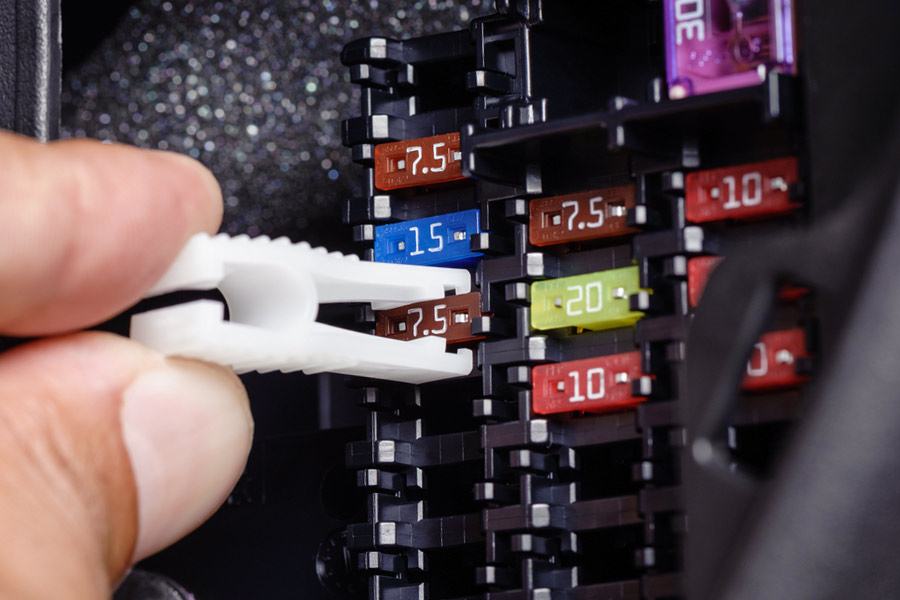
Automotive Fuse Box: A Complete Guide to Function
The automotive fuse box is one of the most essential yet often overlooked components in modern vehicles. While car owners usually pay attention to the engine, battery, or tires, the fuse box remains behind the scenes, quietly protecting the entire electrical system from damage. Without it, even a simple electrical short could lead to severe wiring failures, costly repairs, or even fire hazards. Understanding the automotive fuse box, its functions, layout, common issues, and maintenance can help drivers prevent major electrical breakdowns.
In this comprehensive article, we will explore everything you need to know about the automotive fuse box—from how it works to how to diagnose and fix common fuse-related problems.
Table of Contents
ToggleWhat Is an Automotive Fuse Box?
An automotive fuse box is a centralized hub that houses all the fuses responsible for protecting the vehicle’s electrical circuits. Every electrical component in a car—headlights, radio, air conditioning, power windows, ignition system, and more—runs through a fuse. These fuses are placed inside the fuse box, which distributes electricity safely while preventing overloads.
The fuse box acts as a safety net, ensuring that excessive current does not damage the wiring or connected accessories. When too much current flows through a circuit, the fuse inside the box blows, breaking the circuit to stop the flow of electricity. This protects the vehicle’s electrical system from overheating or short-circuiting.
Why Is the Fuse Box Important?
The automotive fuse box plays several important roles:
1. Protects Electrical Components
Every modern vehicle has dozens of electrical systems. The fuse box ensures each system receives the correct amount of power without being overloaded.
2. Prevents Fire Hazards
Electrical shorts can generate heat and sparks. A blown fuse acts as a barrier, reducing the risk of fire.
3. Simplifies Troubleshooting
By checking the fuse box, technicians and car owners can quickly identify electrical failures.
4. Organizes Wiring
Instead of multiple wires running all over the vehicle, the fuse box organizes circuits in one place, making the electrical layout more efficient.
Where Is the Automotive Fuse Box Located?
Most vehicles have two fuse boxes, but some may have more depending on complexity.
1. Engine Compartment Fuse Box
Located under the hood, this fuse box handles major systems such as:
-
Cooling fan
-
Fuel pump
-
ABS system
-
Headlights
-
Radiator fan
-
Ignition switch
This box usually contains larger fuses and relays.
2. Interior Fuse Box
Typically found under the dashboard, beside the steering wheel, or behind a panel. It controls interior functions including:
-
Power windows
-
Interior lights
-
Radio and multimedia system
-
Air conditioning
-
Seats and mirrors
This box contains smaller blade fuses.
Some luxury vehicles also include a third fuse box in the trunk or cargo area for rear electronics.
Types of Automotive Fuses Inside the Fuse Box
Automotive fuse boxes can house various types of fuses. The most common include:
1. Blade Fuses (ATO/ATC)
These are the most widely used fuses today. They come in sizes:
-
Micro
-
Mini
-
Standard
-
Maxi
Blade fuses are easy to identify and replace.
2. Glass Tube Fuses
These were used in older vehicles and are less common today. They look like small cylinders with metal caps on both ends.
3. Cartridge Fuses
Used for high-current circuits, these fuses protect systems like starter motors or alternators.
4. PAL and J-Type Fuses
Found in many Asian and European vehicles, these fuses are used for high-amperage applications.
How Does the Automotive Fuse Box Work?
The fuse box receives electrical power from the vehicle’s battery. Each component is connected to the fuse box through a specific circuit. The fuse inserted into that circuit is rated according to how much current the component requires.
If the current exceeds the fuse rating:
-
The metal strip inside the fuse melts
-
The circuit opens
-
Electricity stops flowing
This simple mechanism prevents electrical overload and potential damage.
Common Signs of Fuse Box Problems
While fuses are designed to blow when overloaded, repeated fuse failures may indicate underlying issues. Here are common symptoms of fuse box or electrical problems:
1. Multiple Electrical Accessories Stop Working
If several systems fail at once (for example, power windows and interior lights), it may be due to a central fuse or a fuse box fault.
2. Burning Smell
A burning smell near the fuse box is a warning of overheating wires or connections.
3. Blown Fuses Repeatedly
If the same fuse keeps blowing, it often indicates:
-
Wiring short
-
Faulty component
-
Corroded circuit
-
Incorrect fuse rating
4. Loose or Damaged Fuse Box Terminals
Vibration and heat can cause the terminals to become loose or melted.
5. Corrosion or Moisture Inside the Fuse Box
Moisture is a major enemy of electrical systems and can cause fuses and terminals to corrode.
Main Causes of Fuse Box Issues
Understanding the causes can help prevent serious electrical breakdowns:
1. Wiring Shorts
Faulty wiring is the most common cause of blown fuses. Broken wires, exposed wires, or rodents chewing on cables can create shorts.
2. Overloaded Circuits
Adding aftermarket accessories like amplifiers or LED lights without proper wiring can overload the system.
3. Poor-Quality Fuses
Using cheap or incorrect fuses can lead to overheating or failure.
4. Water Damage
Driving through floods or washing the engine bay can expose fuse boxes to water.
5. Aging Components
Over time, heat, vibration, and wear can damage the fuse box.
How to Check and Replace a Fuse in the Fuse Box
Replacing a fuse is simple and can be done by any car owner.
Step 1: Locate the Fuse Box
Use the vehicle’s manual to find the exact location.
Step 2: Identify the Faulty Fuse
Most fuse boxes have a diagram showing each fuse and its purpose. Check for:
-
A broken metal strip inside
-
Burn marks
-
Cloudy or melted plastic
Step 3: Remove the Bad Fuse
Use a fuse puller or small pliers.
Step 4: Replace It With the Correct Rating
Never use a higher-amp fuse than recommended. Doing so can burn wiring or damage electronics.
Step 5: Test the Component
Turn on the car or the accessory to ensure the circuit is working again.
How to Maintain the Automotive Fuse Box
Proper maintenance ensures long life and safety.
1. Keep the Fuse Box Clean
Dust and dirt can affect contacts. Clean gently using compressed air.
2. Protect from Moisture
Ensure covers are closed properly. Use moisture-absorbing packs if needed.
3. Avoid Overloading Circuits
When adding accessories, use proper wiring and additional fuse holders.
4. Check for Corrosion Regularly
Corrosion can interrupt power flow. Clean terminals with electrical contact cleaner.
5. Use Quality Fuses
Cheap fuses may not blow at the right time, putting the vehicle at risk.
Understanding Fuse Box Diagrams
Every vehicle comes with a fuse box diagram, often located:
-
On the fuse box cover
-
In the owner’s manual
-
Printed near the fuse panel
A typical diagram includes:
-
Fuse number
-
Fuse rating (in amps)
-
Component name
-
Symbol of the system
Understanding these diagrams helps in quick troubleshooting.
Relays Inside the Fuse Box
Besides fuses, the fuse box often contains relays. A relay is an electrically controlled switch that allows a small current to control a larger current. Common relays include:
-
Fuel pump relay
-
Blower motor relay
-
Headlight relay
-
Starter relay
Faulty relays can cause intermittent electrical issues, even if the fuses are fine.
Can an Automotive Fuse Box Be Replaced?
Yes, but it is a technical job requiring professional skills. Replace the fuse box if:
-
It is melted or burnt
-
Severe corrosion exists
-
Multiple circuits are malfunctioning
-
Internal wiring is damaged
A faulty fuse box can cause serious issues, so replacement must be done carefully to avoid wiring mistakes.
Common Myths About Automotive Fuses and Fuse Boxes
Myth 1: A Bigger Fuse Will Solve the Problem
False. A bigger fuse can burn the entire wiring harness.
Myth 2: Fuse Boxes Last Forever
They can wear out due to heat, moisture, and vibration.
Myth 3: If a Fuse Keeps Blowing, Just Replace It
Repeatedly blown fuses mean deeper electrical issues that must be diagnosed.
Myth 4: Aftermarket Accessories Don’t Affect the Fuse Box
Incorrect installation can overload or short circuits.
Tips for Avoiding Fuse Box Damage
To keep your vehicle safe:
-
Install accessories professionally
-
Inspect electrical wires regularly
-
Avoid driving through deep water
-
Never bypass or bridge a fuse
-
Check fuses during routine maintenance
Conclusion
The automotive fuse box is an essential part of every vehicle’s electrical system, acting as a guardian against overloads, shorts, and potential damage. While small in size, its role is extremely important for the safety and functionality of modern cars. Understanding how the fuse box works, recognizing signs of problems, and performing regular maintenance can save car owners from expensive repairs and hazardous situations.
Whether you are a car enthusiast, a DIY mechanic, or an everyday driver, having knowledge about the fuse box empowers you to troubleshoot minor electrical issues, maintain your vehicle better, and ensure a safer driving experience.
If treated with care, the fuse box will continue to protect your vehicle for years, keeping every electrical component running smoothly and safely.













Post Comment