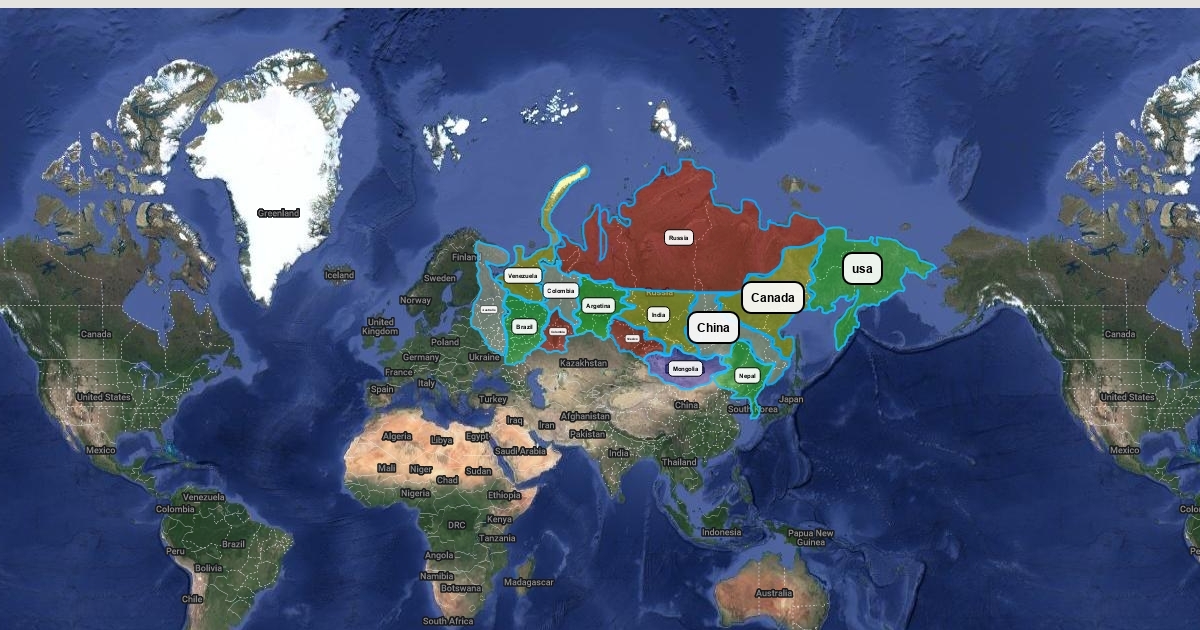
MAP 2.0 – The Next Evolution of Smart Planning
In a world where everything moves at lightning speed, relying on outdated systems is like using a paper map in the age of GPS. That’s where MAP 2.0 steps in. It’s smarter, faster, and built for modern challenges. Whether you’re a business owner, strategist, or tech enthusiast, MAP 2.0 is something you can’t afford to ignore.
What Does MAP 2.0 Mean?
MAP 2.0 refers to the upgraded version of traditional mapping and planning frameworks. It blends data, technology, and human-centered design to create adaptive strategies that evolve in real time. Think of it as a living map rather than a static one.
Why MAP 2.0 Is Gaining Global Attention
Because the old way just doesn’t cut it anymore. Businesses, marketers, and organizations need systems that react instantly. MAP 2.0 does exactly that, making it highly relevant today.
Understanding the Core Concept of MAP
MAP Explained in Simple Terms
At its core, MAP is about direction. It helps you understand where you are, where you want to go, and how to get there. MAP 2.0 simply upgrades this idea with intelligence and flexibility.
Traditional MAP vs MAP 2.0
Traditional MAPs were fixed and slow to change. MAP 2.0, on the other hand, updates continuously—like a navigation app rerouting you away from traffic.
The Evolution from MAP 1.0 to MAP 2.0
Limitations of the Old MAP Model
MAP 1.0 relied heavily on assumptions. Once created, it stayed the same—even when the environment changed.
What Changed in MAP 2.0
MAP 2.0 introduced real-time data, adaptability, and user feedback loops. The result? Smarter decisions with less guesswork.
Key Features of MAP 2.0
Data-Driven Intelligence
MAP 2.0 thrives on data. It analyzes patterns, trends, and behaviors to guide actions with precision.
Adaptive and Real-Time Mapping
Instead of waiting months to update strategies, MAP 2.0 adjusts instantly.
User-Centric Design
It’s built for people, not just systems. The interface and outputs are intuitive and actionable.
How MAP 2.0 Works
Step-by-Step Workflow
First comes data input. Then analysis. Finally, actionable insights. Simple, yet powerful.
Input, Analysis, and Output
This cycle repeats continuously, ensuring the map always reflects reality.
MAP 2.0 in the Digital World
Role in Business Strategy
Businesses use MAP 2.0 to align goals, resources, and execution. It acts like a digital compass.
Impact on Marketing and SEO
For marketers, MAP 2.0 helps track audience behavior, optimize content, and refine campaigns in real time.
Benefits of Using MAP 2.0
Better Decision-Making
With accurate insights, decisions become confident and timely.
Increased Efficiency
No more wasted effort. MAP 2.0 shows exactly where to focus.
Scalability and Flexibility
Whether you’re a startup or a global brand, MAP 2.0 grows with you.
MAP 2.0 for Businesses
Small and Medium Enterprises (SMEs)
SMEs benefit from clarity and direction without heavy costs.
Large Enterprises and Corporations
For big organizations, MAP 2.0 brings alignment across teams and departments.
MAP 2.0 in Technology and Innovation
AI and Automation Integration
Artificial intelligence powers MAP 2.0, making predictions smarter and faster.
Cloud-Based Capabilities
Cloud access ensures MAP 2.0 is available anytime, anywhere.
Real-World Applications of MAP 2.0
Strategic Planning
Long-term planning becomes more reliable with real-time insights.
Digital Transformation
MAP 2.0 acts as a roadmap for digital change.
Performance Optimization
It identifies weak points and highlights opportunities instantly.
MAP 2.0 vs Other Frameworks
Competitive Advantage
MAP 2.0 adapts faster than traditional models.
Why MAP 2.0 Stands Out
Because it’s dynamic, intelligent, and user-focused.
Challenges and Limitations of MAP 2.0
Implementation Challenges
Like any advanced system, it requires proper setup.
Learning Curve
Users may need time to fully understand its power.
How to Implement MAP 2.0 Successfully
Best Practices
Start small, use quality data, and involve your team.
Common Mistakes to Avoid
Ignoring data accuracy and skipping training are common pitfalls.
Future of MAP 2.0
Emerging Trends
Expect deeper AI integration and predictive analytics.
Long-Term Potential
MAP 2.0 could become the standard for strategic planning worldwide.
Why MAP 2.0 Matters Today
Relevance in a Fast-Changing World
In uncertain times, having an adaptive map isn’t optional—it’s essential.
Conclusion
MAP 2.0 is more than an upgrade; it’s a mindset shift. It replaces static plans with living strategies, helping individuals and organizations navigate complexity with confidence. If MAP 1.0 showed the path, MAP 2.0 walks it with you—step by step, turn by turn.













Post Comment