Koriandri: The Ultimate Guide to Coriander for Health
Introduction
Koriandri, widely known as coriander or cilantro, is a versatile herb cherished globally for its unique flavor, aroma, and nutritional benefits. From zesty Indian chutneys to vibrant Mexican salsas, this herb enhances dishes while supporting health with its rich vitamin and antioxidant content. In this guide, we’ll explore everything about Koriandri — its history, culinary uses, health benefits, growing tips, and expert advice on storage and preparation.
1. What is Koriandri?
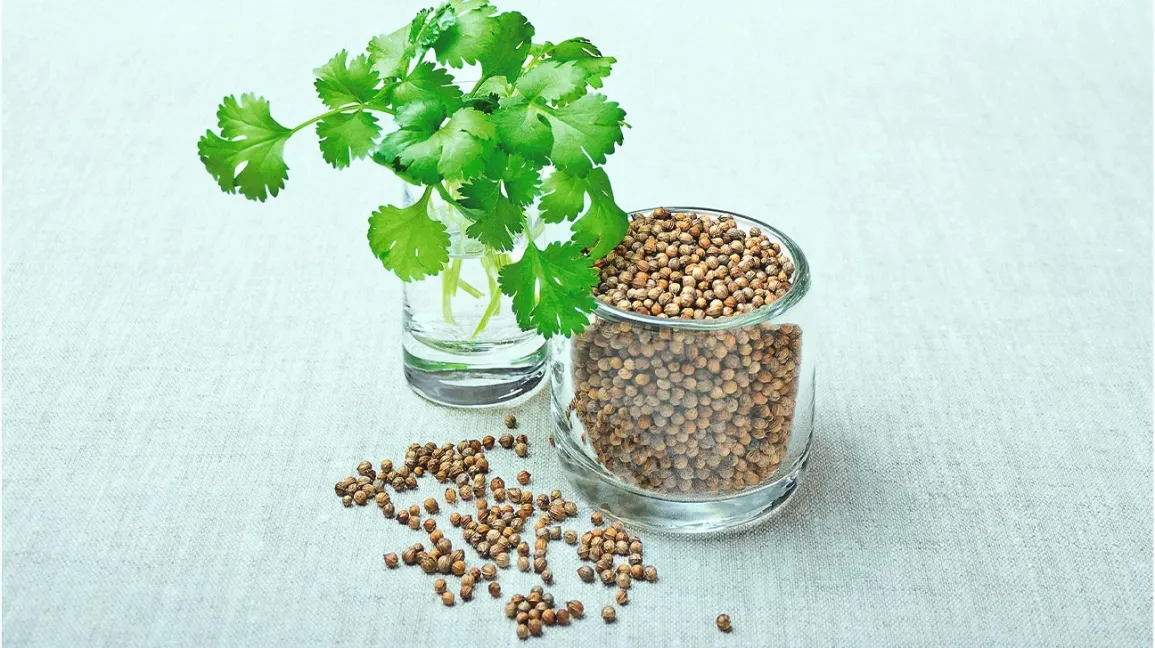
Koriandri (Coriandrum sativum) is an annual herb from the parsley family. Both its leaves (cilantro) and seeds (coriander) are widely used in cooking worldwide. The plant thrives in sunny, mild climates and is native to the Mediterranean and parts of Asia. Its leaves provide a fresh, citrusy flavor, while its seeds are warm, nutty, and slightly citrusy — making it both an herb and a spice.
Key Facts:
-
Scientific name: Coriandrum sativum
-
Common names: Coriander, Cilantro, Dhania, Chinese parsley
-
Edible parts: Leaves, stems, seeds, roots
-
Culinary regions: India, Mexico, Middle East, Southeast Asia
2. History and Cultural Significance
Koriandri has a rich history spanning thousands of years:
-
Ancient civilizations: Egyptians valued it for medicinal and ritual uses; Greeks and Romans used it in remedies.
-
Trade and spread: The herb traveled across Europe, Asia, and the Americas through trade routes, integrating into various cuisines.
-
Cultural relevance: In India, Koriandri is essential for chutneys and curries. In Mexico, cilantro defines tacos and guacamole. In Thailand, coriander roots flavor curry pastes.
Its global culinary journey reflects both tradition and adaptation, highlighting its enduring appeal.
3. Flavor Profile: Leaves, Seeds, and Roots
Each part of Koriandri offers distinct flavors:
-
Leaves: Bright, citrusy, slightly peppery — perfect for fresh dishes.
-
Seeds: Warm, nutty, lemony — ideal for toasting, spice mixes, and marinades.
-
Roots: Earthy and aromatic — commonly used in Thai and Southeast Asian cooking.
Fun Fact: Some people perceive a “soapy” taste due to the OR6A2 gene, which detects aldehyde compounds in the leaves.
4. Nutritional Value and Health Benefits
Koriandri is a nutrient powerhouse:
| Nutrient | Amount per 100g | Health Benefit |
|---|---|---|
| Vitamin A | 6748 IU | Supports vision & skin health |
| Vitamin C | 27 mg | Boosts immunity |
| Vitamin K | 310 µg | Aids bone health |
| Potassium | 521 mg | Regulates blood pressure |
Evidence-backed benefits:
-
May support digestion and reduce bloating
-
Potentially lowers cholesterol and manages blood sugar
-
Contains antioxidants and antimicrobial compounds
Note: While Koriandri contributes to health, it is not a substitute for medical treatments.
5. Culinary Uses and Recipes
Koriandri’s versatility makes it a kitchen staple. Here are practical ways to use it:
Quick Recipes:
-
Mint-Koriandri Chutney – Blend coriander, mint, green chili, lemon juice, and salt. Serve with snacks.
-
Coriander Salsa Verde – Combine chopped coriander, tomatoes, onions, lime, and olive oil. Perfect for tacos.
-
Coriander Finishing Oil – Heat olive oil with crushed seeds and garlic. Drizzle over roasted vegetables.
Tips: Pair coriander with lime, chili, garlic, yogurt, cumin, and ginger for balanced flavors.
6. Growing Koriandri at Home
Growing your own Koriandri ensures freshness and flavor:
-
Soil: Well-drained, sunny spot
-
Planting: Sow seeds ¼ inch deep; germination in 7–10 days
-
Harvest: 3–4 weeks; continuous growth by sowing every 2 weeks
-
Pest Control: Neem oil works as a natural repellent
-
Tip: Harvest leaves before flowering for the best taste.
7. Storage and Preservation
Proper storage maintains freshness:
-
Short-term: Place trimmed stems in a jar with water; cover loosely; refrigerate for up to 7 days.
-
Long-term: Freeze chopped leaves in ice cube trays with water or oil.
-
Avoid: Washing and refrigerating wet leaves — accelerates decay.
8. Substitutes and Pairings
-
Leaf substitutes: Parsley + lime juice
-
Seed substitutes: Cumin + caraway
-
Best pairings: Lime, garlic, chili, ginger, yogurt, and roasted vegetables
9. Safety Considerations
-
Allergies: Some individuals may react to cilantro.
-
Medication interactions: Consult a doctor if on blood pressure or diabetes medication.
-
Pregnancy: Safe in moderation; avoid concentrated essential oils.
10. FAQs About Koriandri
Q1: Is Koriandri the same as cilantro?
A1: Yes. In the U.S., leaves are called cilantro; in other countries, coriander refers to both leaves and seeds.
Q2: Why does coriander taste soapy to some people?
A2: Due to the OR6A2 gene detecting aldehydes.
Q3: Can I eat coriander seeds raw?
A3: Yes, in small amounts. Roasting enhances flavor.
Conclusion
Koriandri is more than just an herb — it bridges cultures, cuisines, and health traditions. From zesty chutneys to aromatic seeds, it brings flavor, nutrition, and versatility to the table. By incorporating Koriandri into your cooking, diet, and even garden, you embrace a tradition that spans centuries while boosting your wellness naturally.
Embrace Koriandri today — your taste buds and your health will thank you!














Post Comment