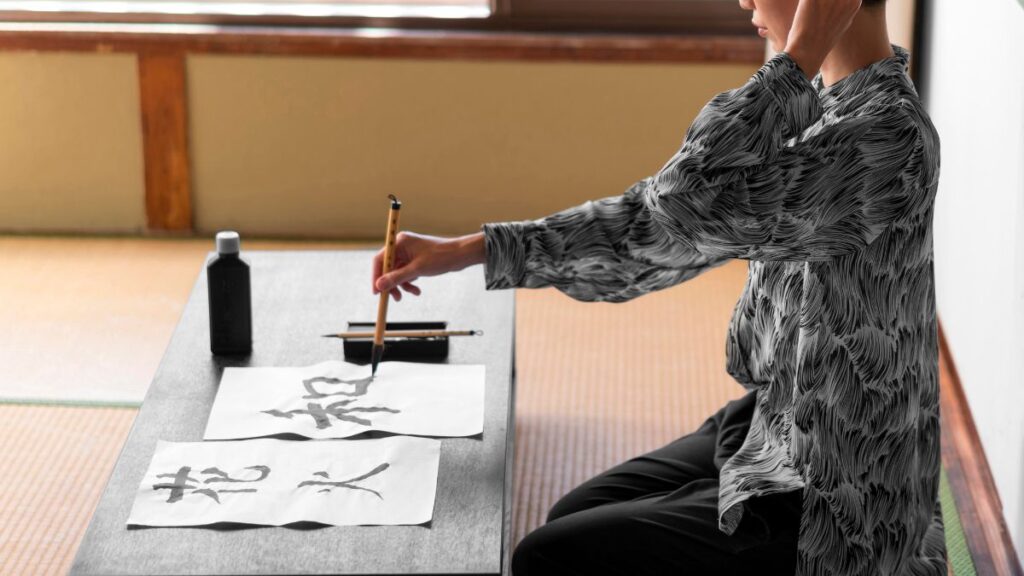
Understanding Jyokyo – Meaning, Context, and Modern Relevance
Introduction to Jyokyo
Situations shape our actions more than we realize. In many cultures, understanding the “moment” is essential to making the right choices, and in Japanese language and culture, this idea is captured by a key term: Jyokyo.
What Does Jyokyo Mean?
“Jyokyo” (状況) simply means “situation” or “condition” in Japanese. But its true meaning goes deeper. It refers not just to what is happening, but the context surrounding it — the mood, the people, the environment, and the unspoken expectations.
Origins of the Term
The word comes from two kanji:
-
状 (jō) meaning form, state, or condition
-
況 (kyō) meaning situation, circumstance
Together, they paint a picture of understanding the full backdrop of a moment.
Cultural Significance of Jyokyo
Jyokyo in Japanese Society
Japan is known for its emphasis on harmony and subtle communication. People often rely on context rather than direct words. Here, jyokyo acts as a guide — helping individuals choose the right actions that maintain balance.
Use of Jyokyo in Daily Communication
You’ll hear phrases like:
-
“Jyokyo ni yotte…” – Depending on the situation…
-
“Jyokyo ga warui” – The situation is not good.
It’s a simple word, but it helps people navigate social expectations respectfully.
Jyokyo in Business and Professional Settings
Why Context Matters in Japanese Work Culture
In Japanese workplaces, decisions are rarely made without carefully reading the room. Understanding the jyokyo helps teams collaborate smoothly, anticipate reactions, and avoid conflict.
Examples of Jyokyo in Workplace Situations
-
Postponing a proposal because the “jyokyo isn’t right yet”
-
Adjusting tone based on seniority or mood in the room
-
Choosing indirect communication to fit the atmosphere
Professionals with strong situational awareness succeed because they respect and understand the nuances.
Jyokyo as a Concept of Situational Awareness
Understanding Social Cues
Jyokyo is not just a word — it’s a mindset. It encourages people to pay attention to cues such as body language, silence, tone, and pacing of conversation.
Choosing Actions Based on Context
A person who understands jyokyo knows when to speak, when to hold back, and when to act decisively.
Emotional Intelligence and Jyokyo
Emotional intelligence is at the heart of jyokyo. It means:
-
Reading emotions of others
-
Responding appropriately
-
Being aware of one’s own impact
This ability strengthens relationships and communication.
How Jyokyo Shapes Decision-Making
Personal Decision-Making
Whether it’s choosing the right time to express an idea or waiting for a better moment, understanding jyokyo helps individuals make wiser choices.
Organizational Decision-Making
Companies also rely on jyokyo:
-
Launching a product at the right moment
-
Managing internal conflict
-
Adapting strategy based on market conditions
This situational thinking improves results and reduces risk.
Jyokyo in Global Communication
Why International Professionals Should Understand the Concept
If you work with Japanese clients, teams, or partners, understanding jyokyo can transform your communication. It helps avoid misunderstandings and builds trust.
Cross-Cultural Applications
Even outside Japan, being aware of context is powerful. Jyokyo-inspired thinking can:
-
Enhance teamwork
-
Improve negotiations
-
Strengthen leadership
It’s a universal skill, even if the word is uniquely Japanese.
Common Misinterpretations of Jyokyo
Literal vs. Contextual Meaning
Many learners translate jyokyo as simply “situation.” But in Japanese communication, context carries emotional and cultural weight. Without this nuance, the meaning feels incomplete.
How Non-Japanese Speakers Misuse the Word
Common mistakes include:
-
Using it without considering the cultural meaning
-
Applying it in rigid or literal ways
-
Ignoring the social layers that influence decisions
To use it correctly, one must understand its deeper implications.
Practical Applications of Jyokyo in Everyday Life
Reading Situations More Accurately
Using jyokyo means paying attention to:
-
The mood of people around you
-
Timing and environment
-
Hidden expectations
This skill helps in relationships, teamwork, and even daily interactions.
Improving Relationships Through Awareness
When you understand the situation, you avoid unnecessary conflicts and respond with empathy. This leads to smoother, healthier connections.
Mastering Jyokyo: A Step-by-Step Guide
Observe, Process, Respond Framework
-
Observe what’s happening around you
-
Process the emotions, actions, and context
-
Respond in a way that fits the situation
This simple method builds strong situational intelligence.
Building Better Situational Intelligence
Practice by:
-
Listening more
-
Asking thoughtful questions
-
Paying attention to subtle cues
-
Reflecting on how your actions shape the moment
Over time, jyokyo becomes a natural part of your decision-making.
Conclusion
Understanding jyokyo helps you navigate life with greater awareness and emotional intelligence. It’s more than a word — it’s a mindset that encourages respect, cultural sensitivity, and smart decision-making. Whether you’re communicating at work, interacting socially, or collaborating globally, mastering jyokyo empowers you to respond to any situation with clarity and confidence.
FAQs
1. What does jyokyo mean in simple terms?
It means “situation,” but it also includes the emotional and cultural context around it.
2. Is jyokyo used often in Japan?
Yes, it is a common part of daily speech, especially when discussing decisions or conditions.
3. How does jyokyo relate to emotional intelligence?
It requires awareness of people’s feelings, the environment, and how actions affect others.
4. Can non-Japanese people use jyokyo?
Absolutely — the concept is universal, even if the word is Japanese.
5. How can I improve my ability to understand jyokyo?
Practice observing, listening, and responding based on context rather than reacting instantly.













Post Comment