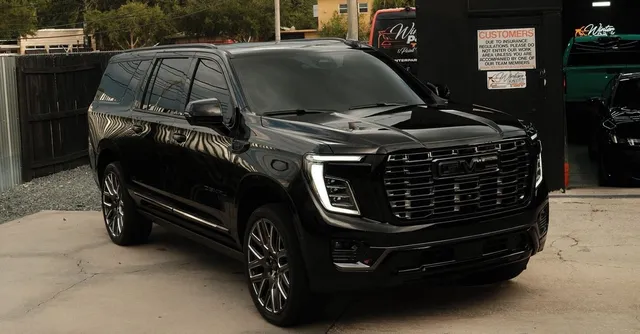
Automotive Tinting Prices – Complete Guide
Window Tinting Cost Guide: Prices, Benefits & Film Types
Introduction to Automotive Tinting
Automotive window tinting has become one of the most popular upgrades car owners choose today. Whether you’re looking for better privacy, heat reduction, or simply a sleeker look, tinting offers a cost-effective and long-lasting solution. But one common question everyone asks is: How much does automotive tinting cost? The truth is, tinting prices vary widely depending on several factors—and understanding them helps you make a smart, budget-friendly choice.
Why Tinting Matters for Your Vehicle
Protection Against UV Rays
Tinting blocks harmful ultraviolet rays that can damage your skin and fade your car’s interior. A good-quality tint can block up to 99% of UV radiation.
Enhanced Privacy and Security
Darker tints make it harder for people to see inside your vehicle, adding an extra layer of protection and peace of mind.
Improved Aesthetic Appeal
Tinting gives your car a premium, stylish, and modern appearance instantly—no surprise it’s one of the most requested modifications.
Top 5 Factors That Affect Window Tinting Prices
Type of Tint Film
The biggest cost factor is the type of tint film you choose. Each material has unique benefits and pricing.
Dyed Window Tint
The most affordable option. It offers decent shade and improved style but doesn’t block as much heat.
Metallic Window Tint
More durable and heat-resistant, but can interfere with signals like GPS, Wi-Fi, and mobile reception.
Carbon Window Tint
A great mid-range option that offers excellent heat reduction without signal issues.
Ceramic Window Tint
The gold standard. Ceramic tint is highly effective at blocking heat, UV, and glare—and it never fades. It’s also the most expensive.
Vehicle Type and Size
A compact car costs far less to tint than a large SUV, van, or truck. More windows and larger surfaces increase both the material and labor cost.
Number of Windows Being Tinted
Tinting all windows costs more, while tinting just the driver and passenger windows costs significantly less.
Local Market Rates
Prices vary depending on your city, competition, and demand.
Brand and Warranty Options
Premium brands like 3M, Llumar, and XPEL cost more but offer long warranties and better performance.
How Much Does Window Tinting Cost in 2025?
So how much should you expect to pay?
Price Breakdown by Tint Type
-
Dyed Tint: $80 – $200
-
Metallic Tint: $150 – $300
-
Carbon Tint: $200 – $400
-
Ceramic Tint: $300 – $800+
These are full-car tinting averages in most markets.
Full Car Tinting vs. Individual Windows
-
Single Window: $30 – $80
-
Windshield (Sun Strip): $20 – $60
-
Full Windshield Ceramic: $120 – $250
Extra Costs You Should Expect
-
Tint removal fee
-
Premium brand upgrades
-
Larger vehicles
-
Custom or specialty films
Ceramic Tint Prices – Why They’re Higher
Ceramic tint is more expensive because it uses advanced nano-technology that blocks heat without relying on metals or dyes. It stays cooler, looks cleaner, lasts longer, and never interferes with signals. If you live in a hot climate, ceramic tint is worth the investment.
How to Choose the Right Tint for Your Budget
Budget-Friendly Options
Dyed tint works well for those looking for basic shading at a low cost.
Best Value-for-Money Tint Films
Carbon tint provides excellent heat rejection at a mid-range price.
Premium Tint Films for Long-Term Benefits
Ceramic tint offers the highest comfort, durability, and clarity.
Legal Window Tint Limits and How They Affect Pricing
Each region has its own laws regarding tint darkness (VLT%). Following legal limits may require choosing specific film shades, which can affect pricing. Illegal tint can result in fines—so always confirm local regulations.
Is Expensive Tint Worth It?
Yes—especially if you live in a hot climate or plan to keep your car long-term. Higher-quality tints improve comfort, reduce AC usage, protect your interior, and enhance your car’s overall value.
Expert Installation vs. Cheap Tinting
DIY tint kits cost as little as $20–$50, but they come with a risk. Bubbles, peeling, and poor fit are common. Professional tinting ensures a flawless finish and long-term performance.
How to Save Money on Automotive Tinting
-
Look for seasonal discounts
-
Compare quotes from multiple tint shops
-
Choose carbon tint for value and performance
-
Avoid unnecessary add-ons
Common Mistakes People Make When Choosing Tint
-
Choosing the cheapest tint without considering quality
-
Ignoring local tint laws
-
Not checking the warranty
-
Going to unskilled installers
Final Tips Before Getting Your Car Tinted
Take your time researching tint types, pricing, and installers. Quality tinting pays off in the long run and prevents costly repairs or replacements down the road.
Conclusion
Automotive tinting prices vary based on film type, car size, tint quality, and market demand. Whether you want affordable tint or premium ceramic film, the key is to choose wisely and invest in a professional installation. Tinting not only improves your car’s comfort and appearance but also protects you and your vehicle from heat and UV damage. With the right choice, your tint can last for years—and the value is absolutely worth it.













Post Comment