Automotive Flex: The Complete Guide to Understanding
Automotive flex plays a vital role in the performance, safety, and efficiency of modern vehicles. Whether it’s a flexible exhaust pipe, wiring harness, or hose, flexibility allows a car to move, vibrate, and operate smoothly. Think of automotive flex like the joints and veins of the human body—without them, nothing would run properly.
What Does “Automotive Flex” Mean?
“Automotive flex” refers to any part within a vehicle designed to bend, flex, or move while maintaining functionality. These components are made from durable, elastic materials that can handle high temperatures, pressure, and vibrations.
Why Flexibility Matters in Modern Vehicles
Vehicles are constantly exposed to movement—engine vibrations, rough roads, temperature changes, and sudden pressure shifts. Flexible components absorb these forces, preventing damage to rigid parts and ensuring everything stays connected and functional.
Types of Automotive Flex Pipes Used in Modern Vehicles
Cars use dozens of flexible components. Below are the most common categories.
Flexible Automotive Hoses
Hoses transport essential fluids and air through your vehicle.
Fuel Lines, Coolant Hoses, and Air Intake Tubes
These hoses must withstand extreme heat and pressure, ensuring your engine gets fuel, coolant, and air without leaks.
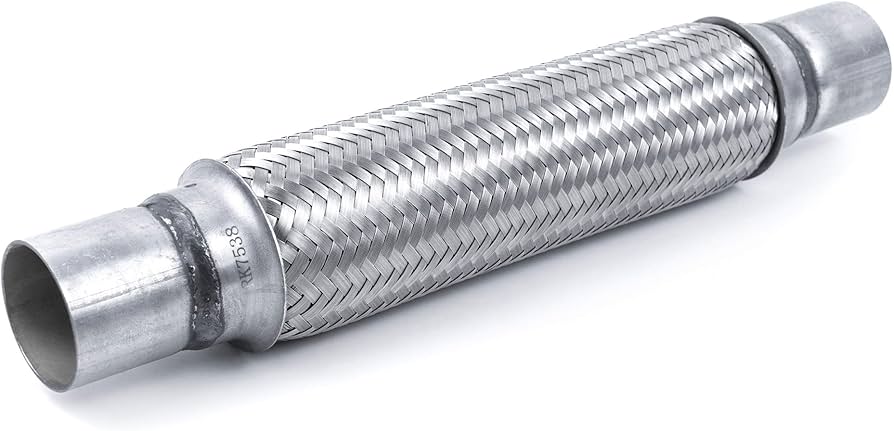
Automotive Flex Pipes
Located in the exhaust system, these pipes allow movement while preventing exhaust leaks.
Role in Exhaust Systems
As the engine moves, the flex pipe absorbs the motion, reducing stress on the exhaust system and helping maintain proper emissions.
Flexible Wiring and Electrical Harnesses
Modern vehicles have thousands of wires.
Wire Looms, Connectors, and Sensor Cables
Flexibility is important because wires must bend around tight engine compartments without breaking.
Flex Joints and Suspension Components
These components help wheels and axles move smoothly.
Control Arm Bushings & CV Boots
They absorb shock and prevent damage to suspension systems.
Automotive Flex Pipes Explained
What Is an Automotive Flex Pipe?
A flex pipe is a woven-steel tube that absorbs engine and exhaust movement. It prevents cracking and maintains exhaust flow.
How Flex Pipes Reduce Engine Vibration
The pipe acts like a shock absorber, stopping pressure from damaging other exhaust components.
Signs of a Damaged Flex Pipe
Noisy Exhaust
A loud, harsh sound is often the first sign of damage.
Reduced Fuel Efficiency
Leaks cause the engine to work harder.
Strong Fuel Smell
Exhaust leaks mean fumes escape before reaching the muffler.
Benefits of Automotive Flex Components
Improved Durability
Flex parts reduce strain on rigid components, helping them last longer.
Better Performance
Smooth airflow and reduced vibration improve engine efficiency.
Enhanced Safety
Preventing leaks and breaks reduces the risk of breakdowns or hazards.
Increased Vehicle Lifespan
A well-maintained flex system leads to fewer repairs and longer vehicle health.
Common Signs Your Flex Pipe Is Failing
Cracking and Leaks
Rubber or steel can crack from heat, age, or pressure.
Corrosion and Wear
Exhaust moisture and road salt can wear out metal flex pipes.
Broken Connectors
Loose or damaged connectors interrupt fluid or wire flow.
Overheating or Pressure Issues
Clogged or worn hoses may restrict flow, causing overheating.
How to Check a Flex Pipe for Leaks or Noise
Maintenance Tips for Automotive Flex Parts
Regular Visual Inspections
Check hoses, pipes, and wiring for cracks, leaks, or looseness.
Checking for Leaks & Loose Connections
Even small leaks can lead to big problems.
How to Prevent Excessive Vibration
Avoid driving with worn engine mounts or damaged exhaust parts.
When to Replace Flex Components
Replace as soon as you notice cracks, rust, or performance issues.
Choosing the Right Flex Components
OEM vs Aftermarket Parts
OEM parts guarantee perfect fit; aftermarket options offer lower prices but might vary in quality.
Material Quality: Stainless Steel, Rubber, Braided Wire
Stainless steel and braided materials typically last longer.
Understanding Your Vehicle’s Requirements
Always match size, pressure ratings, and flexibility needs.
Installation and Replacement Guide
Tools Required
Wrenches, clamps, jacks, and safety equipment.
Step-by-Step Replacement Overview
-
Identify the damaged part
-
Remove clamps or bolts
-
Install new part
-
Test for leaks
When to Seek Professional Help
If you hear unusual noises or smell fuel/exhaust, visit a mechanic immediately.
The Future of Automotive Flex Technology
Smart Flexible Components
Sensors integrated into hoses to detect leaks or heat.
Heat-Resistant & Eco-Friendly Materials
Manufacturers are shifting to greener composites.
Flex Tech in Electric Vehicles
EVs use specialized flex cables for battery systems and cooling lines.
Conclusion
Automotive flex components might not be the most noticeable parts of a vehicle, but they are crucial for its performance, safety, and longevity. From hoses to flex pipes and wiring, these flexible parts help your car absorb vibration, manage airflow, transport fluids, and operate smoothly. By maintaining and choosing high-quality flex components, you ensure your vehicle runs efficiently and stays reliable for years.














Post Comment