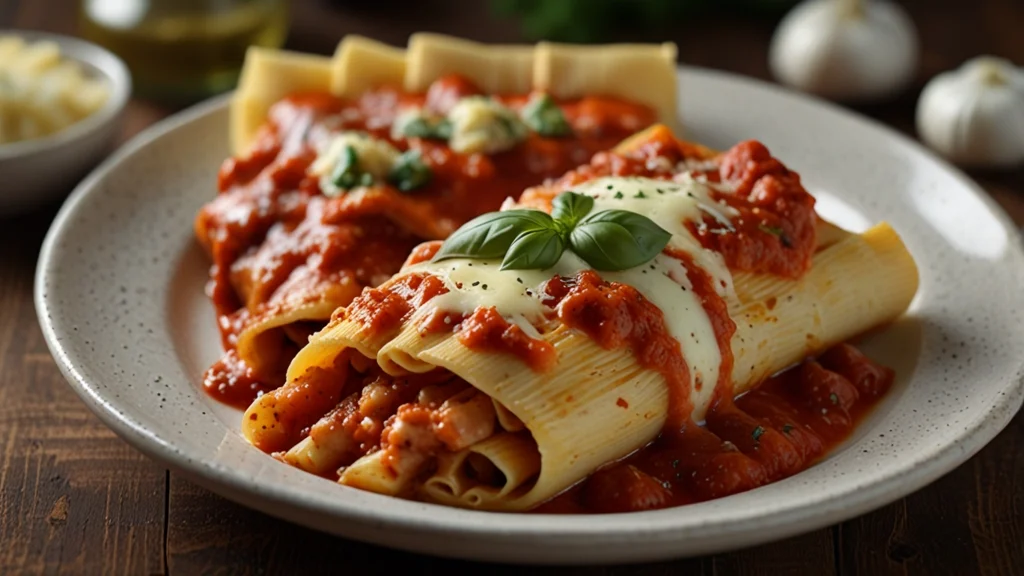
What is Mannacote?
Mannacote” is not a widely recognized term in formal Italian cuisine books, but in many home kitchens — especially in Italian‑American households — it represents that warm, comfort‑food feeling of large pasta tubes filled with cheese and/or meat, baked in sauce, topped with melted cheese. In essence, it is a regional, colloquial or family‑friendly variation of “manicotti,” though over time “mannacote” has taken on its own identity.
The dish typically features tube‑shaped pasta (or sometimes pasta sheets rolled into tubes), a rich filling (cheese‑based, sometimes with spinach or meat), a sauce (usually tomato‑based, sometimes béchamel or a mix), then baked until the top is browned and bubbling.
In simple terms: if you love stuffed pasta, cheese, sauce and oven‑baked comfort, then Mannacote is a dish to know.
The Origins & Cultural Roots
Although the term “mannacote” might sound Italian, it appears to be more of an Italian‑American or family‑kitchen version of the name rather than one rooted in Italy’s traditional cookbooks. The proper Italian word for similar stuffed pasta is often “manicotti” (plural of “manicotto”, meaning “little sleeve”) or “cannelloni” in other contexts.
According to food‑history articles, many immigrant families brought their pasta traditions to America, adapted ingredients to what was available, and language shifted along the way. Thus what began as “manicotti” may have become “mannacote” in some kitchens as a phonetic spelling or affectionate twist.
In this sense, Mannacote becomes not just a dish, but a marker of home, of Sunday dinners, of family gatherings — a culinary legacy passed down, filled with stories, memories, and variations.
Typical Ingredients & Flavor Profile
What makes a great Mannacote? The key elements are:
-
Pasta shell or tube: Large size to hold filling. Some use store‑bought manicotti shells, others may roll fresh pasta sheets into tubes.
-
Filling: A creamy mixture of ricotta cheese is standard, often blended with shredded mozzarella and/or grated Parmesan; sometimes egg is added to bind; herbs like basil, parsley or oregano; variations include spinach, mushrooms, or ground meat (beef or sausage).
-
Sauce: Typically a tomato‑based marinara or ragù, flavored with onion, garlic, herbs; occasionally a béchamel or combined sauces for richness.
-
Cheese topping: After the shells are stuffed and placed in sauce, the dish is topped with additional shredded mozzarella (or other melty cheese) and baked until golden.
Flavor‑wise, Mannacote is hearty, creamy, satisfying: the contrast of tender pasta, the rich, slightly tangy tomato sauce, the creamy and sometimes slightly tangy cheese filling, and the baked top with gooey, browned cheese make it an ultimate comfort pasta dish.
How to Make Mannacote (Step‑by‑Step)
Here’s a general method to prepare Mannacote in the home kitchen, with room for variation based on filling and dietary adjustment.
-
Pre‑heat your oven to around 190°C (≈ 375 °F).
-
Prepare the pasta shells or tubes. If using store‑bought large tubes (manicotti size), boil until al dente (slightly under‑done so they hold shape). If using fresh pasta sheets, roll them into tubes or wide ribbons. In some versions of Mannacote, the shells are lightly pre‑boiled.
-
Make the filling. In a bowl combine ricotta cheese, shredded mozzarella, grated Parmesan, an egg (for binding), herbs (like chopped basil or parsley), salt and pepper. If you like, sauté spinach or mushrooms (or brown some ground meat) and fold them in.
-
Prepare the baking dish. Grease a baking dish lightly with olive oil, spread a layer of sauce (tomato marinara or ragù) on the bottom so the stuffed pasta will sit atop a bed of sauce.
-
Stuff the shells. Using a spoon or piping bag, carefully fill each tube with the cheese mixture. Arrange them in the baking dish, side by side.
-
Add more sauce and cheese. Pour remaining sauce over the stuffed shells so they’re well‑covered. Then sprinkle additional shredded mozzarella (and optionally more Parmesan) on top.
-
Bake. Cover the dish (foil or lid) and bake for approx. 25‑30 minutes. Then remove the cover and bake another 10 minutes (or until the top is golden and bubbling).
-
Rest before serving. Let the dish rest about 5‑10 minutes after baking; this helps the filling settle, the pasta firm up, and makes slicing/serving easier.
Variations & Dietary Tweaks
One of the best things about Mannacote is how adaptable it is.
-
Vegetarian variation: Skip the meat. Use spinach, mushrooms, roasted zucchini or roasted red peppers in the filling or sauce.
-
Meat‑lover version: Add cooked ground beef, sausage, chicken or turkey into the filling or sauce.
-
Gluten‑free: Use gluten‑free pasta tubes or sheets. Adjust sauce consistency if needed.
-
Dairy‑free/Vegan: Use plant‑based ricotta (available now), vegan mozzarella, and adjust baking time slightly. Use vegetable‑based sauce.
-
Lighter version: Use part‑skim ricotta, less cheese topping, more vegetables, lean protein. Serve with a crisp salad to lighten the meal.
Because the structure of stuffed pasta is forgiving, you can tailor the dish to many dietary needs without losing its comfort‑food charm.
Serving & Pairing Suggestions
Mannacote is quite a rich dish, so it pairs beautifully with lighter accompaniments to balance the meal.
-
Side salad: A fresh green salad (arugula or mixed greens) with a lemon‑olive oil vinaigrette offers brightness and contrast.
-
Garlic bread or crusty baguette: To soak up the sauce.
-
Roasted vegetables: Broccolini, zucchini, carrots, roasted peppers — roasted simply with olive oil, salt and pepper.
-
Wine / Drink: A medium bodied red (like a Sangiovese or a Chianti) complements the tomato and cheese. For non‑alcoholic, sparkling water with citrus or a light iced tea works.
Serving tip: Because this dish is quite sweet in comfort terms (cheese, sauce, baked pasta), the sides should bring freshness or crispness.
What to Watch Out For – Common Mistakes & How to Avoid Them
Even with a forgiving dish like Mannacote, there are a few pitfalls:
-
Overcooked pasta shells: If you boil them too much before stuffing, they may crash or fall apart when baked. It’s better to under‑cook slightly so they finish in the oven.
-
Under‑seasoned filling or sauce: Because so many flavors are layered, if one component is bland it affects the whole dish. Season filling, sauce, and pasta water (if you boil).
-
Too much sauce or too watery sauce: If the sauce is too thin, the dish may become soggy. Simmer the sauce to reduce excess moisture.
-
Not letting it rest: Serving immediately coming out of the oven can make the dish fall apart or the cheese sliding. A brief rest helps it set.
-
Skipping cheese topping: A lot of the appeal is the melted, slightly browned cheese top. Don’t short‑change this step unless intentionally avoiding for dietary reasons.
Why Mannacote Remains Popular
There are a few reasons this dish holds up so well in home cooking:
-
Comfort food appeal: Cheese, pasta, sauce — ingredients many people love, baked into a warm, inviting format.
-
Scales well: It’s easy to make for a family dinner or larger gathering. You can prepare ahead (and in some cases freeze) then bake when needed.
-
Customizable: As noted, you can change the filling, sauce, pasta type, dietary adaptations without losing the essence of the dish.
-
Cultural and emotional resonance: For many families, especially Italian‑American households, Mannacote (or the version they call it) carries memory of Sunday dinners, mothers, grandmothers, gathering around the table. Food is connection, and this dish delivers.
Mannacote vs. Similar Dishes – Understanding the Difference
While Mannacote shares many elements with similar baked pasta dishes, there are subtle differences:
-
Compared to Manicotti: Essentially the same concept (large tubular pasta stuffed and baked). Mannacote is often considered a variation in naming/spelling more than a completely separate dish. Some sources treat “mannacote” as just the American adaptation or the kitchen‑nickname for manicotti.
-
Compared to Cannelloni: Cannelloni is a traditional Italian dish where pasta sheets are rolled (or smooth tubes used) and filled, baked often with béchamel or ragu. In contrast, Mannacote uses the large tubes, focuses on cheese or meat filling, tomato sauce, and the name difference indicates more of a family‑style or American versions.
-
Compared to Lasagna: Lasagna is layered pasta sheets, sauce, cheese, and filling, but not stuffed tubes. Mannacote gives individual stuffed portions—so serving and presentation differ though comfort‑level is similar.
A Sample Recipe Outline
For clarity, here’s a recipe outline you could follow (serves approx. 6–8). Feel free to adjust quantities, fillings, and sauces to your taste:
Ingredients:
-
12–14 large pasta tubes (manicotti size)
-
2 cups (≈ 500 g) ricotta cheese
-
1 cup (≈ 100 g) shredded mozzarella
-
½ cup (≈ 50 g) grated Parmesan
-
1 large egg (beaten)
-
1 cup fresh chopped spinach (optional)
-
2 tbsp fresh chopped basil or parsley
-
Salt & pepper to taste
-
Olive oil (for greasing dish)
-
3 cups marinara or tomato sauce (homemade or good quality store)
-
Additional shredded mozzarella for topping (~1½ cups)
-
Fresh basil leaves for garnish
Method:
-
Preheat oven to 190 °C (375 °F).
-
Grease a 9×13‑inch (or comparable) baking dish with olive oil.
-
Bring a large pot of salted water to boil, cook pasta tubes until slightly under‑done (al dente minus about 1–2 minutes), drain gently and set aside.
-
In a mixing bowl, combine ricotta, 1 cup mozzarella, Parmesan, beaten egg, chopped spinach (if using), basil/parsley, salt and pepper — mix until smooth.
-
Spread one cup of sauce on bottom of baking dish.
-
Using a spoon or piping bag, fill each pasta tube with the cheese mixture, and place them upright or side‑by‑side in the dish over the sauce.
-
Pour remaining sauce over the top of the tubes to cover them well. Then sprinkle the additional shredded mozzarella over the top.
-
Cover the dish with foil and bake for approx. 25–30 minutes. Then remove foil and bake for additional 10 minutes until top is golden and bubbling.
-
Remove from oven, let rest 5–10 minutes, garnish with fresh basil, then serve.
Serving suggestion: Serve with a green salad, garlic bread and your favourite wine or sparkling water.
Variations to consider:
-
For a meat version: mix in ½‑1 cup cooked ground beef or Italian sausage into the filling.
-
For vegetarian: add sautéed mushrooms, zucchini or roasted red peppers.
-
For gluten‑free: use gluten‑free pasta tubes or make rolled crepes from a gluten‑free flour mix.
Nutrition & Practical Considerations
Mannacote is indulgent, but mindful preparation can make it fit into a balanced diet. According to estimations, a typical serving might carry around 300‑450 calories (depending on filling, cheese amount, sauce, portion size) and might provide 15‑20 g (or more) of protein if cheese and/or meat are included.
If you’re watching fat or calories:
-
Use part‑skim ricotta and lower mozzarella amounts.
-
Increase vegetable content (spinach, mushrooms, roasted veg).
-
Serve smaller portions alongside a large green salad to fill up with fibre and volume.
-
Use homemade or high‑quality sauce with controlled sugar and salt levels.
From a preparation standpoint, you can partially assemble ahead: prepare the filling, boil the pasta shells, and keep them ready; then fill and bake when ready to serve. You can even freeze an unbaked assembled dish (well‑covered) and bake from frozen, adding some extra baking time. Many food‑blogs mention this convenience factor.
Why This Dish Works for Gatherings & Family
Mannacote is ideal for family‑style meals:
-
It can feed a crowd with relatively inexpensive ingredients (pasta + cheese + sauce).
-
It serves well with minimal plating fuss — you bake it, and everyone serves themselves.
-
It evokes nostalgia and warmth; many families remember a version of this dish in Sunday lunches or holiday dinners.
-
It has built‑in variety: you can easily make half with meat, half vegetarian; you can omit or include extra cheese for different tastes.
-
Leftovers are typically delicious: the flavour melds overnight, making it great for next‑day meals or reheating.
Final Thoughts
If you’ve never heard of “Mannacote” before, don’t let the name throw you off — it’s essentially the heart and soul of what many know as manicotti: stuffed pasta baked in sauce and cheese. But the name “mannacote” adds a layer of personality, family heritage, and comfort that goes beyond the recipe.
Whether you’re introducing it to your dinner table for the first time, or revisiting a beloved family version, this dish offers a satisfying combination of flavours, textures and memories. With its adaptability, it embraces tradition but allows you to make it yours — add vegetables, change the filling, lighten it up, or go all‑in with cheese and meat.
So next time you’re looking for a comforting, oven‑baked pasta dish — one that invites people to linger, to serve seconds, to enjoy warm bread, salad and good company — consider Mannacote. It’s more than just stuffed pasta; it’s an invitation to gather, share, and savour.












Post Comment